DSLR vs Mirrorless: The Real Trade-offs, Not the Marketing Version
Beyond the marketing claim that mirrorless is simply better — where DSLRs still win on battery life and price, and where mirrorless autofocus genuinely pulls ahead.
Every camera manufacturer has moved its new-product development to mirrorless. That fact alone gets treated as the whole argument — "mirrorless is simply better now" — and it isn't quite that simple. There are real, structural trade-offs between the two designs, and some of them cut in the DSLR's favor even in 2026.
The core structural difference
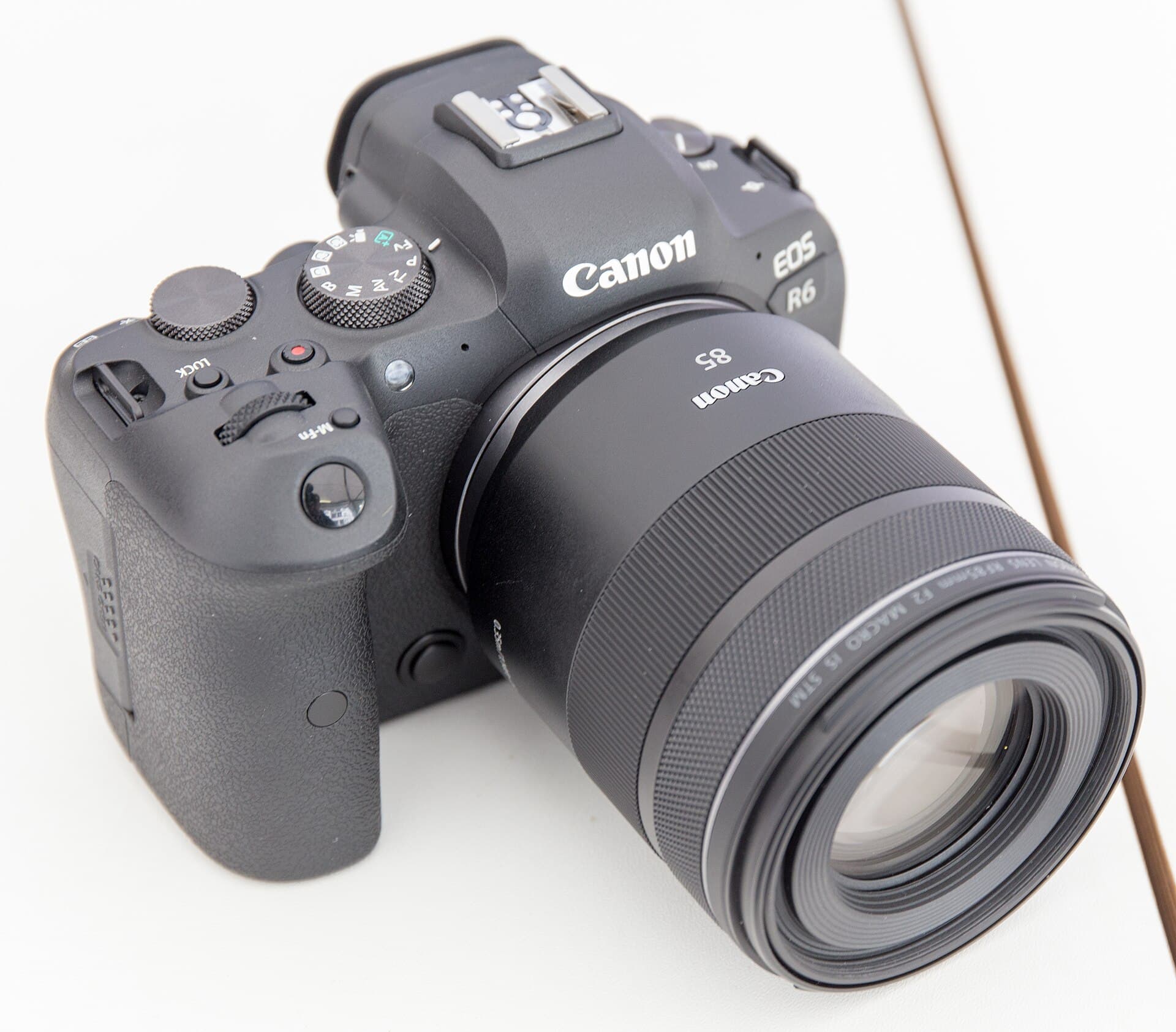
A DSLR uses a mirror to send the lens's image up into an optical viewfinder — you're looking through the actual lens, in real time, with no lag and no battery draw for the viewfinder itself. A mirrorless camera has no mirror; the sensor is exposed to light continuously, and the viewfinder (electronic, or "EVF") is a small screen showing you what the sensor is currently capturing. Everything else follows from that one structural choice.
Where mirrorless genuinely wins
Autofocus, unambiguously. Because the sensor is always exposed to light, mirrorless cameras can run sophisticated autofocus continuously, including in live view and video — this is exactly the area where DSLRs (outside dedicated through-viewfinder phase-detect AF) have always struggled. Mirrorless EVFs also show you a real preview of exposure, white balance, and depth of field before you shoot, which a DSLR's optical viewfinder cannot do. Mirrorless bodies are also generally smaller and lighter for an equivalent sensor size, since there's no mirror box or pentaprism to accommodate.
Where DSLRs still win
Battery life is a real, consistent, structural advantage — no EVF or continuously-active sensor to power means a DSLR on an optical viewfinder can shoot vastly more frames per charge than a comparable mirrorless body. Optical viewfinders have zero lag and don't degrade in extreme cold the way some electronic displays can. And because DSLR systems are mature and no longer being actively developed, the used market is large and prices are typically lower for equivalent capability — you're buying yesterday's technology, but at yesterday's-technology prices.
What doesn't actually matter as much as people think
Image quality from the sensor itself is not meaningfully different between a DSLR and a mirrorless camera using an equivalent sensor generation and size — the mirror (or lack of one) doesn't affect the pixels. "Mirrorless is the future so DSLRs are worthless" is also an overstatement: a camera doesn't stop taking good photos because the manufacturer stopped making new bodies in that format.
How to actually decide
If you shoot video, or fast-moving subjects, or rely heavily on the rear screen rather than a viewfinder, mirrorless autofocus advantages are real and will show up in your keeper rate. If you shoot mostly static subjects through the viewfinder and value battery life and lower cost over the newest autofocus tech, a DSLR remains a genuinely rational choice — not a compromise you're settling for, but a different set of trade-offs that happens to suit that kind of shooting.