Sensor Size Explained: Crop vs Full-Frame, What It Actually Changes
What sensor size actually controls — field of view, depth of field, high-ISO tendencies, lens size — and why neither format is objectively the correct choice.
Sensor size gets discussed constantly in camera buying decisions, and just as constantly conflated with resolution, as if a bigger number on a spec sheet automatically means a better camera. It doesn't work that way. Sensor size is a physical dimension that changes a specific set of trade-offs — not a simple hierarchy where bigger always wins.
What "sensor size" actually means
It's the physical dimensions of the light-capturing chip, measured in millimeters, not the pixel count. Two cameras can carry the same megapixel count on very differently sized sensors — resolution and physical size are separate facts, and conflating them is the single most common source of confusion in this topic.
Crop factor: what it actually does
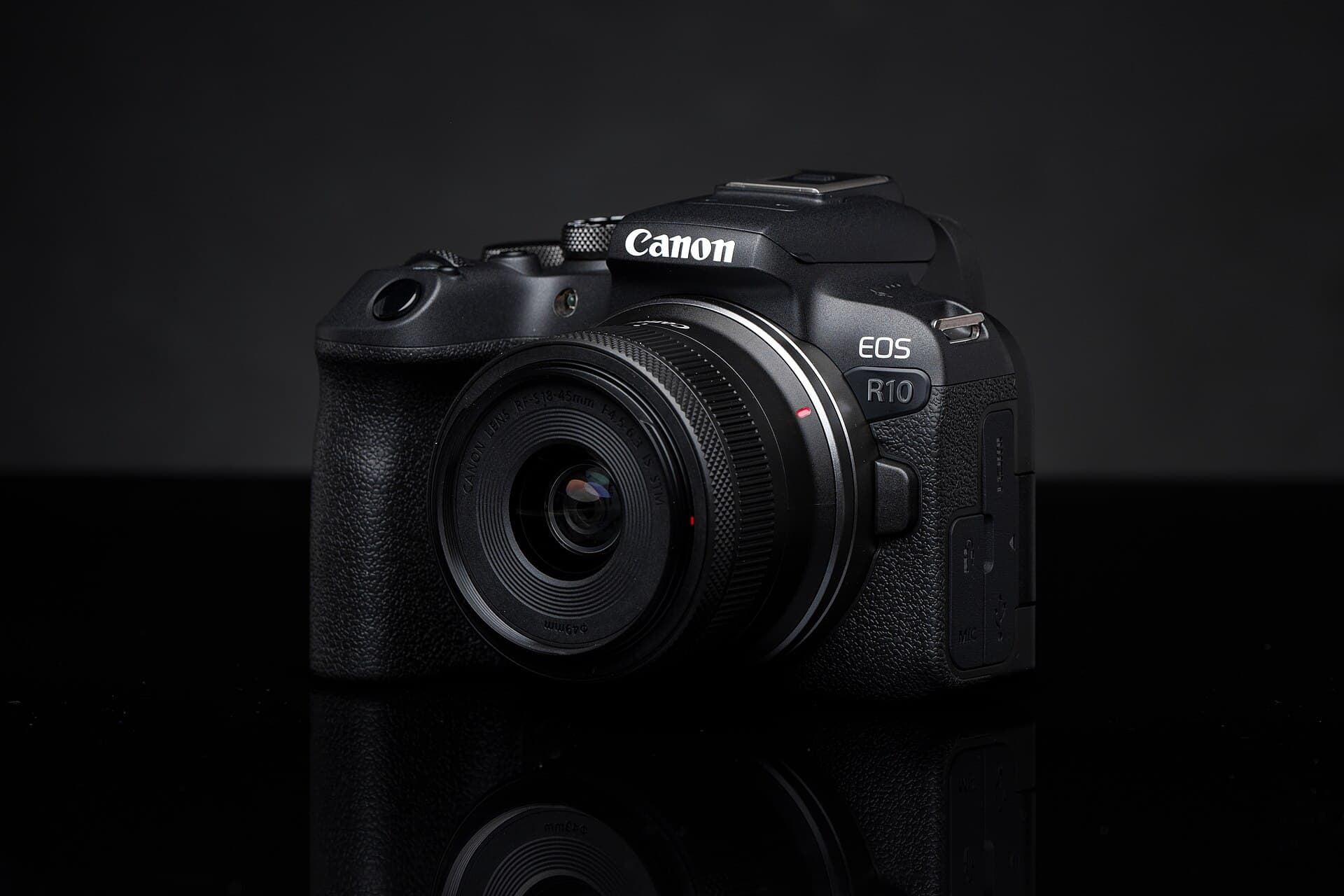
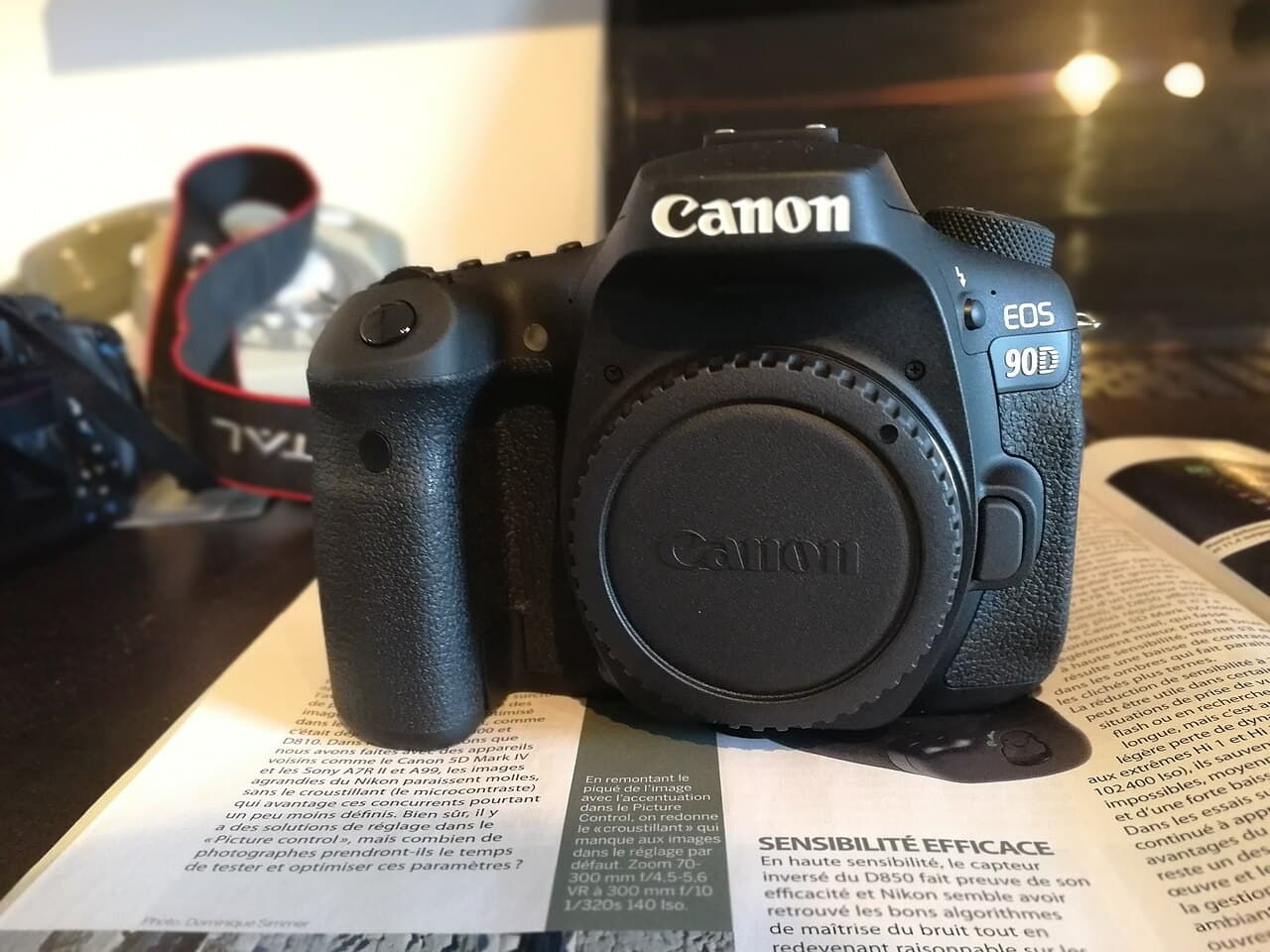
A smaller-than-full-frame sensor (APS-C, most commonly) doesn't change what a lens optically does — the lens's actual focal length and aperture don't change. What changes is how much of the image the lens projects actually lands on the sensor: a full-frame sensor captures the whole image circle a lens produces, while an APS-C sensor captures a smaller subsection of it, which reads as a narrower field of view. This is usually expressed as a "crop factor" (roughly 1.5x-1.6x for APS-C, depending on manufacturer) multiplied against a lens's actual focal length to describe its full-frame-equivalent field of view — a framing effect, not a change to the lens itself.
Depth of field
At the same aperture, framing, and subject distance, a larger sensor produces shallower depth of field than a smaller one. This surprises people who assume depth of field is purely an aperture question — sensor size plays a real, independent role, which is part of why full-frame cameras are often associated with more pronounced background blur at a given f-stop compared to an APS-C camera shooting the same scene at the same settings.
Low-light and high-ISO performance
Larger individual photosites, all else equal, generally gather more light per pixel, which typically gives a full-frame sensor an advantage in high-ISO noise performance over an APS-C sensor of a similar generation and resolution. "Similar generation" is doing real work in that sentence, though — a newer APS-C sensor can outperform an older full-frame one, so sensor size predicts a tendency, not a guarantee, independent of the specific sensor's actual age and design.
Lens size, weight, and cost
A full-frame lens generally needs to be physically larger to project a bigger image circle onto a bigger sensor, which usually means more weight and a higher price than an equivalent-spec APS-C lens. This is a real, practical part of why APS-C systems are frequently lighter and cheaper to build out as a complete kit, independent of the camera body price itself.
Reach: the flip side of crop factor
For subjects where more apparent magnification from a given lens is the goal — wildlife, sports, some astrophotography — the crop factor works in your favor. The same physical telephoto lens produces a tighter-looking frame on an APS-C body than on full-frame, which is exactly why some telephoto-focused shooters deliberately choose a crop-sensor body rather than treating APS-C as a compromise they're settling for.
What sensor size doesn't determine
It isn't the same thing as resolution, and it isn't a fixed ranking of better and worse — it changes a specific set of trade-offs (field of view, depth-of-field control, high-ISO tendencies, lens size and cost), and which side of each trade-off actually matters to you depends entirely on what you shoot.
The honest bottom line
Full-frame trades size, weight, and cost for shallower depth-of-field control and typically stronger low-light performance. APS-C trades some of that away for a lighter, cheaper system and effectively free extra reach for telephoto work. Neither is objectively correct — the right format is whichever set of trade-offs actually matches what you photograph.
Products covered