Do You Actually Need to Upgrade Your Phone Every Year? A Reality Check
The honest answer for almost everyone: no. The specific answer depends entirely on what you're upgrading from.
The honest answer for almost everyone: no. The specific answer depends entirely on what you're upgrading from.
What actually changes year to year
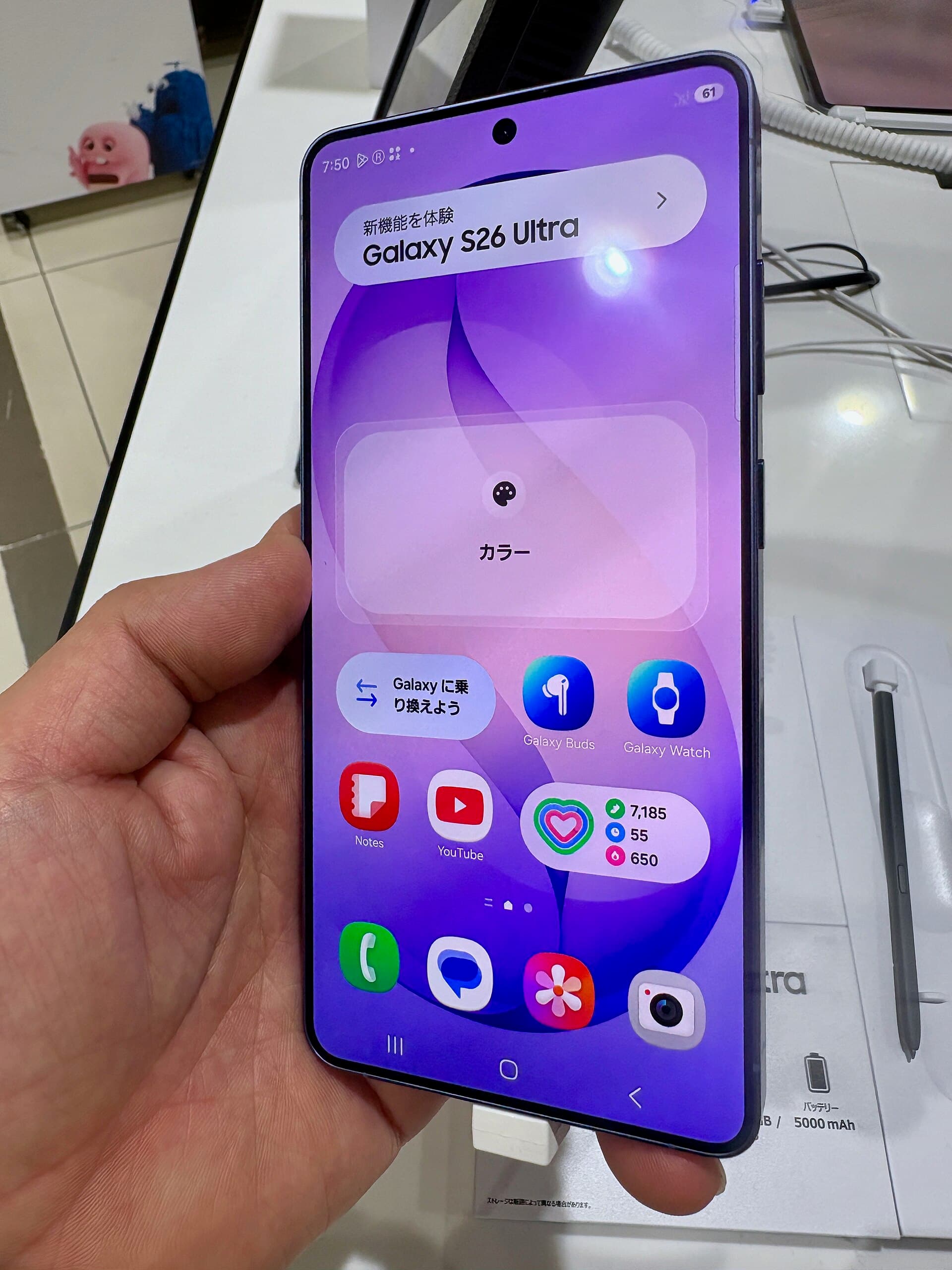
Look at the iPhone 17 Pro's real deltas over the 16 Pro: a new A19 Pro chip, a jump from 8GB to 12GB RAM, and a telephoto lens that went from 5x to 4x optical while gaining a larger sensor — a lateral move for most people's photography. The base price also rose $100, offset by doubled base storage. On the Android side, the Galaxy S26 Ultra kept the same $1,299.99 starting price as the S25 Ultra and moved to a Snapdragon 8 Elite Gen 5. None of this year's three flagships shipped a change that would make a two-year-old flagship feel obsolete for typical use.
When upgrading annually genuinely makes sense
If you're a professional photographer or videographer who bills clients using your phone camera, the year-over-year camera gains can be worth real money. If you do heavy on-device AI work, the RAM and NPU jumps matter. If your current phone's battery has degraded below roughly 80% of original capacity, upgrading can be the more sensible financial move.
When it's a waste of money
If your current flagship is one generation old, the case for upgrading this year is genuinely weak. You're paying $1,000+ for chipset gains you won't perceive in daily use, a camera change that's a lateral move as often as an improvement, and (for iPhone buyers) a $100 price increase.
The trade-in trap
Carriers and manufacturers structure trade-in promotions specifically to make annual upgrading look "free." Read the fine print — these almost always require a new line, a specific carrier plan, or a multi-year installment commitment.
What to actually do
Before buying any of this year's flagships, check three things about your current phone: battery health (under 80% is a legitimate reason to consider replacing), whether it's still receiving security updates, and whether a specific feature you'll actually use is genuinely absent from your current phone. If none of those apply, the upgrade is emotional, not practical — which is a fine reason to buy a phone, but it's worth knowing that's what you're doing.
Products covered
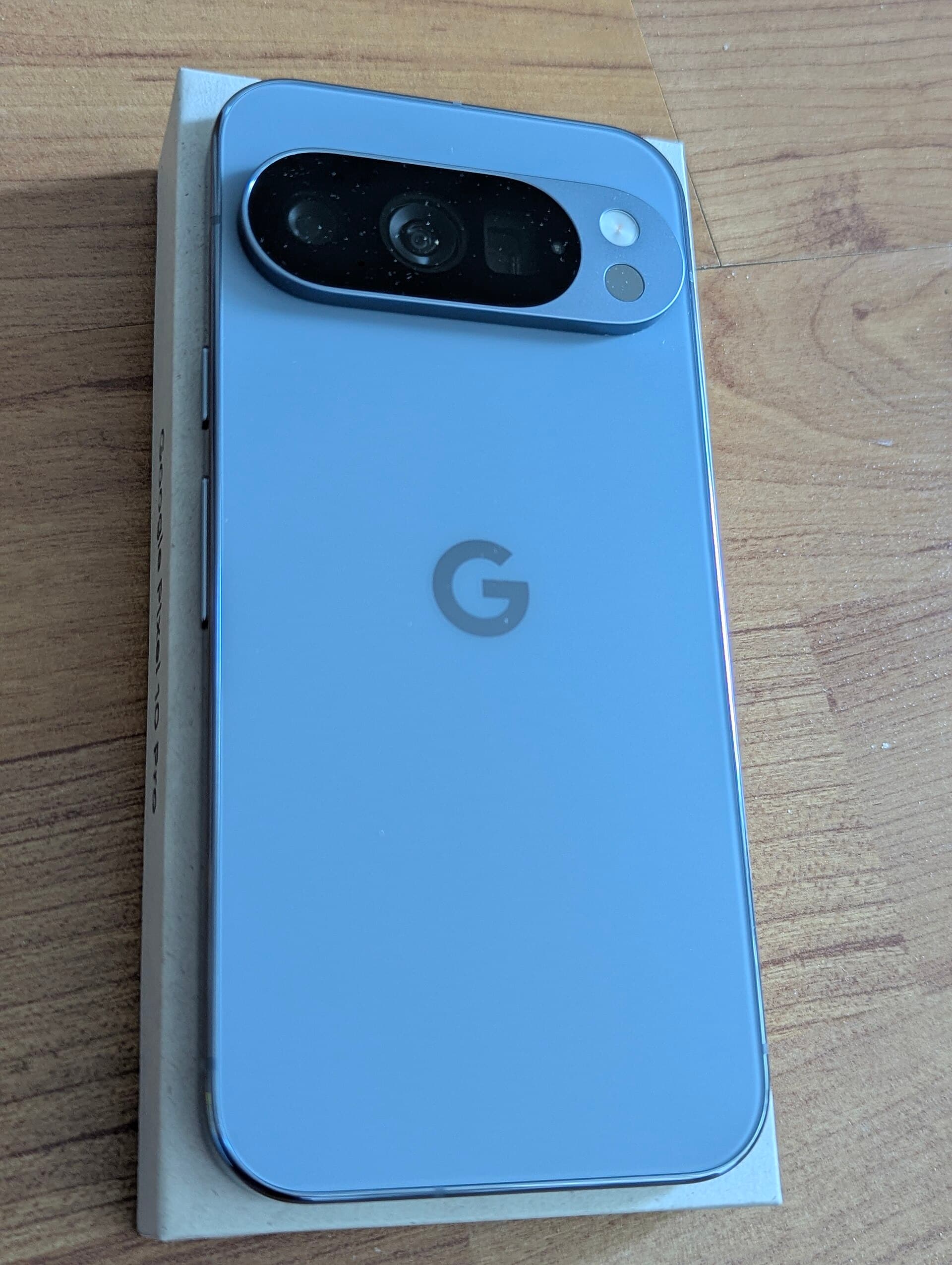
| Specification | Apple iPhone 17 Pro | Samsung Galaxy S26 Ultra | Google Pixel 10 Pro |
|---|---|---|---|
| Chipset | A19 Pro | Snapdragon 8 Elite Gen 5 for Galaxy | Google Tensor G5 |
| Display size | 6.3" | 6.9" | 6.3" |
| Display type | Super Retina XDR OLED, ProMotion 120Hz | Dynamic AMOLED 2X, 120Hz | LTPO OLED, 120Hz |
| RAM | 12GB (not officially disclosed by Apple) | 12GB / 16GB | 16GB |
| Storage options | 256GB / 512GB / 1TB | 256GB / 512GB / 1TB | 128GB / 256GB / 512GB / 1TB |
| Battery capacity | Not disclosed by Apple; claims up to 33h video playback | 5,000mAh | 4,870mAh |
| Rear camera system | Triple 48MP (main, ultra-wide, 4x telephoto) | Quad (200MP wide, 50MP ultra-wide, 50MP 5x tele, 10MP 3x tele) | Triple 50MP main, 48MP ultrawide, 48MP 5x telephoto |
| Launch price (USD) | 1099 USD | 1299.99 USD | 999 USD |
Sources
- Apple Newsroomprimary source
- Samsung USprimary source
Tech Carvalho does not publish hands-on test results. This piece is written from the sources above and from public documentation. See our editorial policy.