How Long Do Phone Batteries Actually Last (and When Should You Worry)?
Every lithium-ion battery degrades with use — this isn't a defect, it's chemistry. Each full charge cycle causes small, permanent physical changes that reduce…
Every lithium-ion battery degrades with use — this isn't a defect, it's chemistry. Each full charge cycle causes small, permanent physical changes that reduce how much charge the cell holds. The question isn't whether your battery is degrading, but whether the rate is normal.
What manufacturers actually publish
Apple states iPhone batteries are "designed to retain 80% of their original capacity" at a specific cycle count under ideal conditions: **500 cycles for iPhone 14 and earlier, 1,000 cycles for iPhone 15 and later** — a real doubling driven by improved cell chemistry. In practice Apple doesn't consider a battery eligible for free replacement until it drops below 80% health. Both major manufacturers have converged on 80% original capacity as the industry-standard threshold — that number isn't arbitrary, it's what they warranty against.
What that means in real time
At one full cycle per day, 500 cycles is roughly 1.5-2 years and 1,000 cycles is roughly 3 years. That's why a 3-year-old iPhone 15 or newer is far less likely to show visible degradation than a 3-year-old iPhone 14 was at the same age. Heavy users hit cycle counts faster. Ambient heat — a hot car, gaming while charging — accelerates degradation independently of cycle count, and is arguably a bigger factor than cycles for anyone who fast-charges routinely in warm conditions.
Normal aging vs. something wrong
A 2+ year old phone with somewhat shorter screen-on time, needing charging more often, reporting 85-90% health, is behaving exactly as expected. What's **not** normal and worth getting checked: the phone shutting off unexpectedly at a nonzero percentage; the percentage jumping erratically; visible swelling or a phone that no longer sits flat (a genuine safety issue — stop charging it); or a sharp sudden drop rather than gradual decline.
Where this connects to the upgrade decision
If your only complaint is battery life, replacing the battery (typically $70-100 official service) is almost always cheaper than a new phone, and restores most of the original experience — screen, camera, and performance don't degrade the way batteries do. Battery alone is rarely a good reason to trade in an otherwise-good phone every year.
Products covered
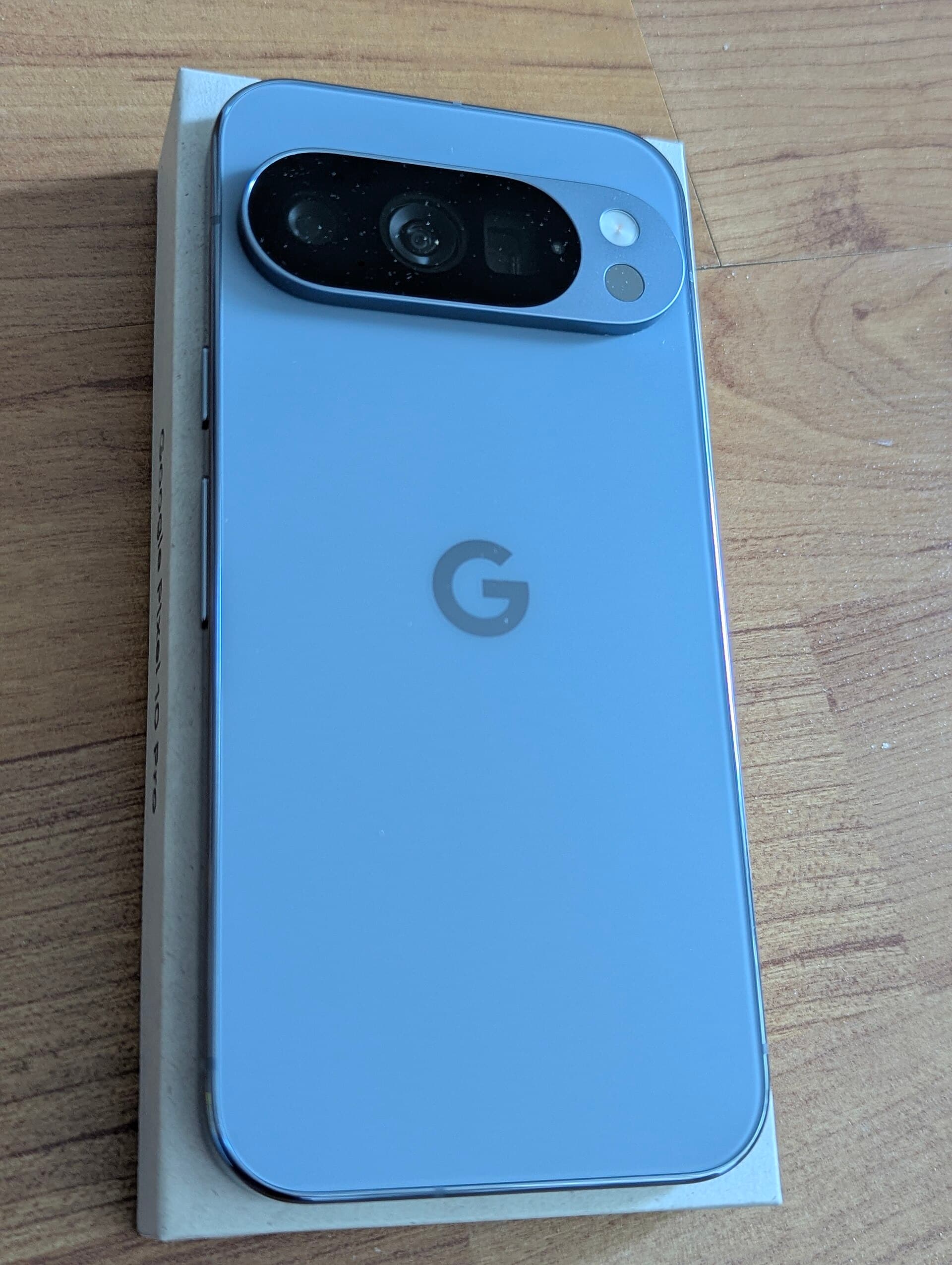
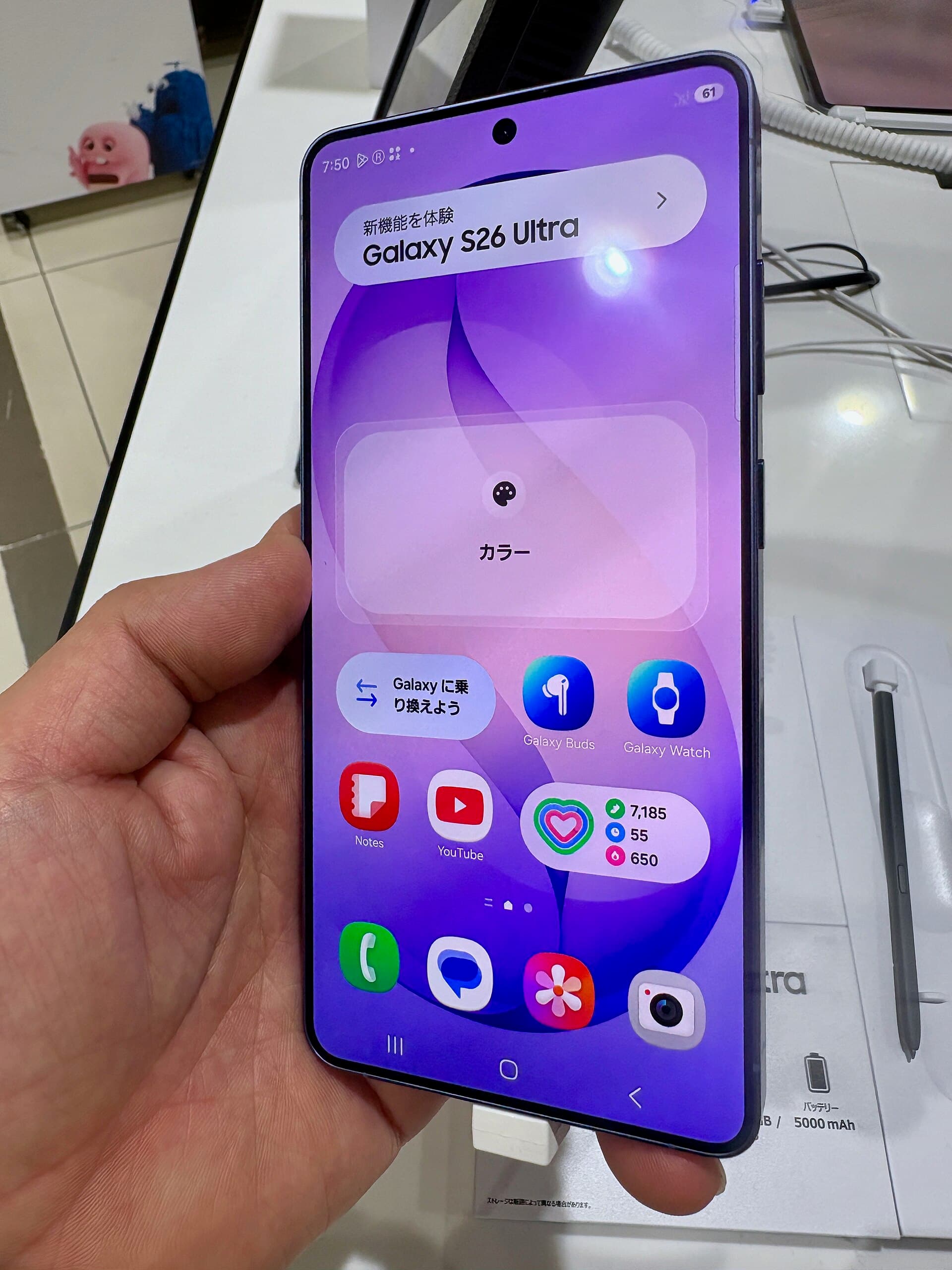
| Specification | Apple iPhone 17 Pro | Samsung Galaxy S26 Ultra | Google Pixel 10 Pro |
|---|---|---|---|
| Chipset | A19 Pro | Snapdragon 8 Elite Gen 5 for Galaxy | Google Tensor G5 |
| Display size | 6.3" | 6.9" | 6.3" |
| Display type | Super Retina XDR OLED, ProMotion 120Hz | Dynamic AMOLED 2X, 120Hz | LTPO OLED, 120Hz |
| RAM | 12GB (not officially disclosed by Apple) | 12GB / 16GB | 16GB |
| Storage options | 256GB / 512GB / 1TB | 256GB / 512GB / 1TB | 128GB / 256GB / 512GB / 1TB |
| Battery capacity | Not disclosed by Apple; claims up to 33h video playback | 5,000mAh | 4,870mAh |
| Rear camera system | Triple 48MP (main, ultra-wide, 4x telephoto) | Quad (200MP wide, 50MP ultra-wide, 50MP 5x tele, 10MP 3x tele) | Triple 50MP main, 48MP ultrawide, 48MP 5x telephoto |
| Launch price (USD) | 1099 USD | 1299.99 USD | 999 USD |
Sources
- Appleprimary source
Tech Carvalho does not publish hands-on test results. This piece is written from the sources above and from public documentation. See our editorial policy.