AI in Your Phone's Camera — What's Real vs. Marketing
"AI camera" covers two genuinely different things: computational photography (which has quietly used machine learning for years and is mostly real) and…
"AI camera" covers two genuinely different things: computational photography (which has quietly used machine learning for years and is mostly real) and generative "AI features" bolted onto the camera app (which range from useful to vaporous).
The clearest real example
Google's Gemini Nano runs entirely on-device on Pixel phones — works offline, no server round-trip — for specific, documented tasks: TalkBack's image descriptions, Pixel Recorder's on-device summaries, and text rewriting. Google's own developer blog is explicit that it runs locally.
Where Apple is more reticent than assumed
Specific Neural Engine "TOPS" numbers circulate constantly online for Apple chips. Checking Apple's own newsroom press release for the iPhone 16 Pro and its A18 Pro chip directly: there is no TOPS figure anywhere in it. Every specific TOPS number attributed to an Apple chip in circulation is a third-party estimate, not an Apple-published spec.
What this means practically
Established computational photography — multi-frame HDR merging, portrait-mode depth segmentation, night-mode stacking — is real, mature technology across Apple, Google, and Samsung, increasingly relabeled "AI" for marketing even though it predates the current hype cycle. Newer generative claims should be verified against the phone maker's own documentation for that specific model, not assumed from a generic "flagship phones have this now" claim.
The honest take
On-device AI camera features are real and increasingly capable, but the specific performance numbers attached to them are frequently third-party estimates dressed up as fact.
Products covered
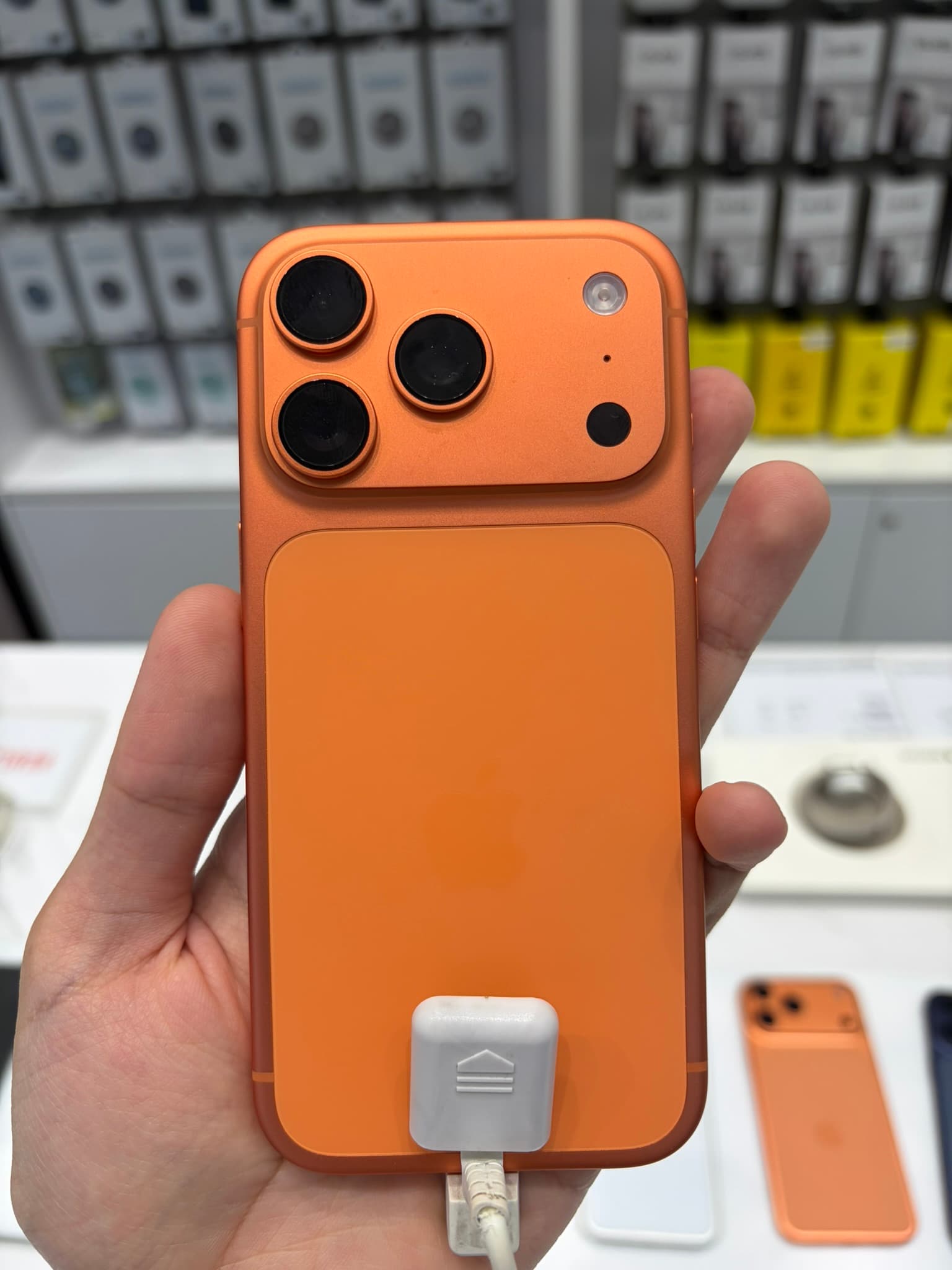
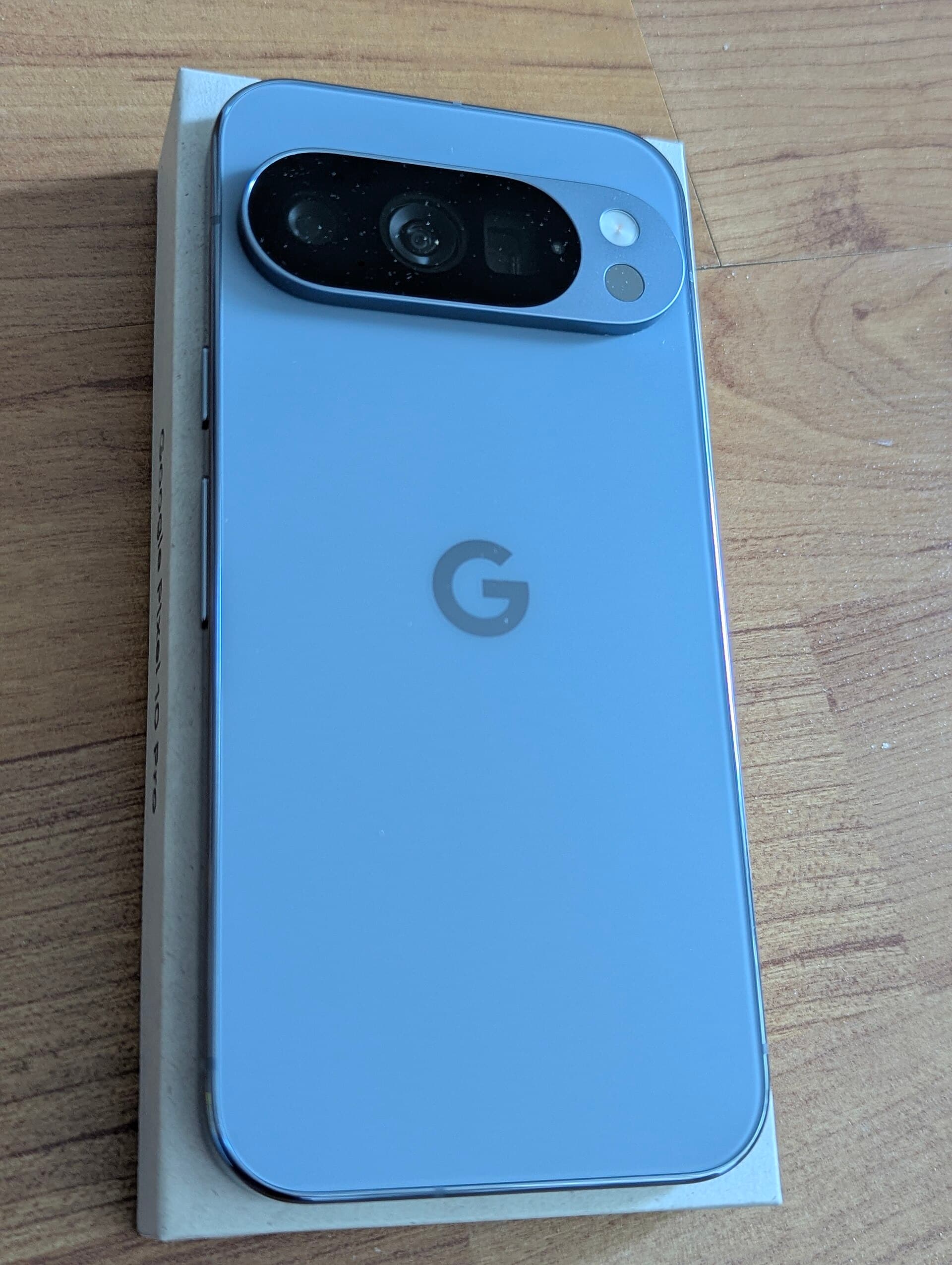
| Specification | Apple iPhone 17 Pro | Google Pixel 10 Pro |
|---|---|---|
| Chipset | A19 Pro | Google Tensor G5 |
| Display type | Super Retina XDR OLED, ProMotion 120Hz | LTPO OLED, 120Hz |
| RAM | 12GB (not officially disclosed by Apple) | 16GB |
| Storage options | 256GB / 512GB / 1TB | 128GB / 256GB / 512GB / 1TB |
| Battery capacity | Not disclosed by Apple; claims up to 33h video playback | 4,870mAh |
| Rear camera system | Triple 48MP (main, ultra-wide, 4x telephoto) | Triple 50MP main, 48MP ultrawide, 48MP 5x telephoto |
| Launch price (USD) | 1099 USD | 999 USD |
| Display size | 6.3" | 6.3" |
Sources
- Android Developers Blogprimary source
- Apple Newsroom (verified directly: no TOPS figure present)primary source
Tech Carvalho does not publish hands-on test results. This piece is written from the sources above and from public documentation. See our editorial policy.