Smart Home Starter Guide: Where to Actually Begin
Most smart home guides start with a lightbulb. That's backwards — a smart bulb is useless without something to control it. The actual first purchase that…
Most smart home guides start with a lightbulb. That's backwards — a smart bulb is useless without something to control it. The actual first purchase that matters is a voice/display hub.
Start with a smart display
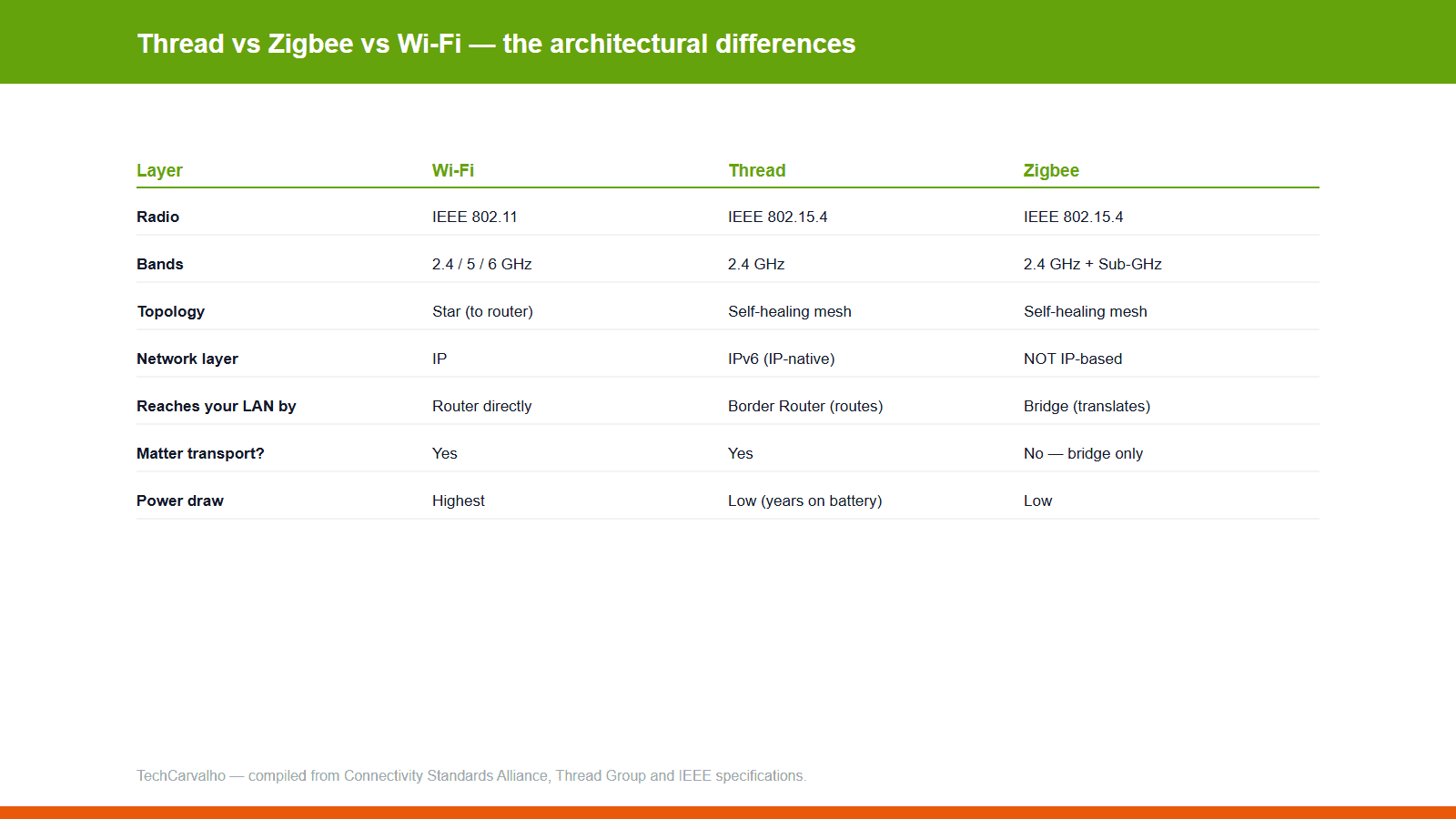
A screen adds real utility a speaker-only device doesn't: you can see camera feeds, timers, and what a voice command actually did. Amazon's Echo Show 8 (4th Gen, released November 2025) is a reasonable pick at $179.99: 8.7-inch display, 13MP camera, and built-in Zigbee, Matter (Wi-Fi/Thread), and Sidewalk radios — meaning it can talk directly to Zigbee and Matter/Thread devices without a separate hub puck.
Matter reduces lock-in, but doesn't eliminate it
Matter is a cross-platform smart home standard Amazon, Google, and Apple all support. In practice, buy your hub first, then check that any device explicitly lists Matter or your hub's native protocol support — some manufacturers still ship platform-exclusive variants of the same hardware.
Don't start with cameras or locks
They're the highest-consequence category to get wrong. Get comfortable with lower-stakes devices first, and only add security-critical devices once you understand your hub's reliability.
A genuinely good second purchase: smart plugs
A smart plug turns any existing lamp into a controllable device without replacing anything, usually for $10-15 — and unlike a smart bulb, it doesn't strand you with a dumb fixture the moment someone flips the wall switch.
When NOT to start here
If you already have a strong ecosystem preference, buy that company's hub, even if a competitor's hardware looks nicer on paper.
Sources
Tech Carvalho does not publish hands-on test results. This piece is written from the sources above and from public documentation. See our editorial policy.
More in this guide series
2 pieces that build on this one.