Matter Explained: The Smart Home Standard That's Supposed to Fix Compatibility
Matter is a connectivity standard for smart home devices, designed so a lightbulb, lock, or thermostat made by one company works with a hub made by a…
Matter is a connectivity standard for smart home devices, designed so a lightbulb, lock, or thermostat made by one company works with a hub made by a completely different company — without manufacturers building separate integrations for Alexa, Google Home, Apple Home, and SmartThings individually.
Where it came from
Developed by the Connectivity Standards Alliance, the same industry group behind Zigbee. It began in December 2019 as "Project Connected Home over IP," with Amazon, Apple, Google and the CSA as founding members. Version 1.0 shipped October 2022. Since then: 1.2 added robot vacuums and refrigerators, 1.3 added energy management, 1.4 added batteries and heat pumps, 1.5 added cameras, and 1.6 (June 2026) added NFC-based setup. The CSA reports over 3,000 certified products.
How it actually works
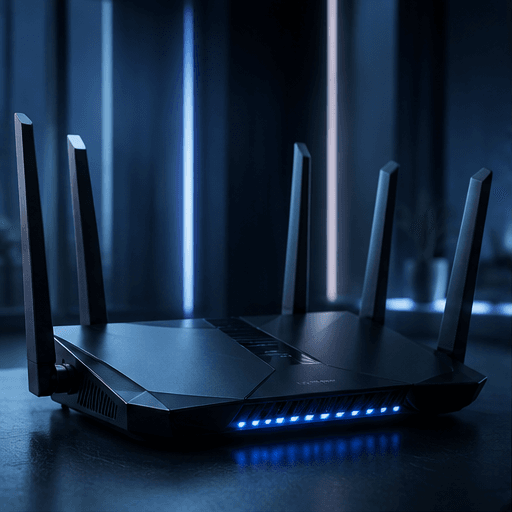
Matter isn't a wireless radio — it's an application-layer protocol riding on existing ones. Devices talk over Wi-Fi, Ethernet, or Thread (a low-power mesh protocol for battery devices), using Bluetooth LE for initial setup. This matters practically: a Thread-based Matter device needs a **Thread border router** on your network. Smart speakers and displays increasingly double as one. If you're buying a Thread-based device, check you have a border router first, or it won't connect to anything.
What Matter actually fixes
Before Matter, buying a bulb meant checking whether it worked with your specific ecosystem, and many devices needed their own app just to function inside someone else's. Matter devices work with any Matter controller, and as of 1.6 can be shared across multiple ecosystems simultaneously. Because most Matter traffic is local, it also tends to be faster and keeps working during an internet outage for basic control.
What it doesn't fix
Matter standardizes the basics — on/off, brightness, lock/unlock, temperature. Manufacturer-specific features (a vacuum's room-mapping UI, a camera's AI person-detection) often still require the manufacturer's app. Older pre-Matter devices don't retroactively gain support unless the manufacturer ships firmware. The Matter logo indicates certification, not a guarantee that every feature you care about is supported everywhere.
Bottom line
Worth prioritizing over proprietary-only devices, but it doesn't make ecosystem choice irrelevant — check for a Thread border router before buying Thread sensors and locks.
Sources
- Wikipedia
- Connectivity Standards Allianceprimary source
Tech Carvalho does not publish hands-on test results. This piece is written from the sources above and from public documentation. See our editorial policy.