Which 2026 Flagship Phone Should You Actually Buy? A Use-Case Guide
Spec sheets don't tell you which phone is right for you — your habits do. Here's a decision framework built around what you actually do with a phone.
Spec sheets don't tell you which phone is right for you — your habits do. Here's a decision framework built around what you actually do with a phone.
You're already deep in Apple's ecosystem
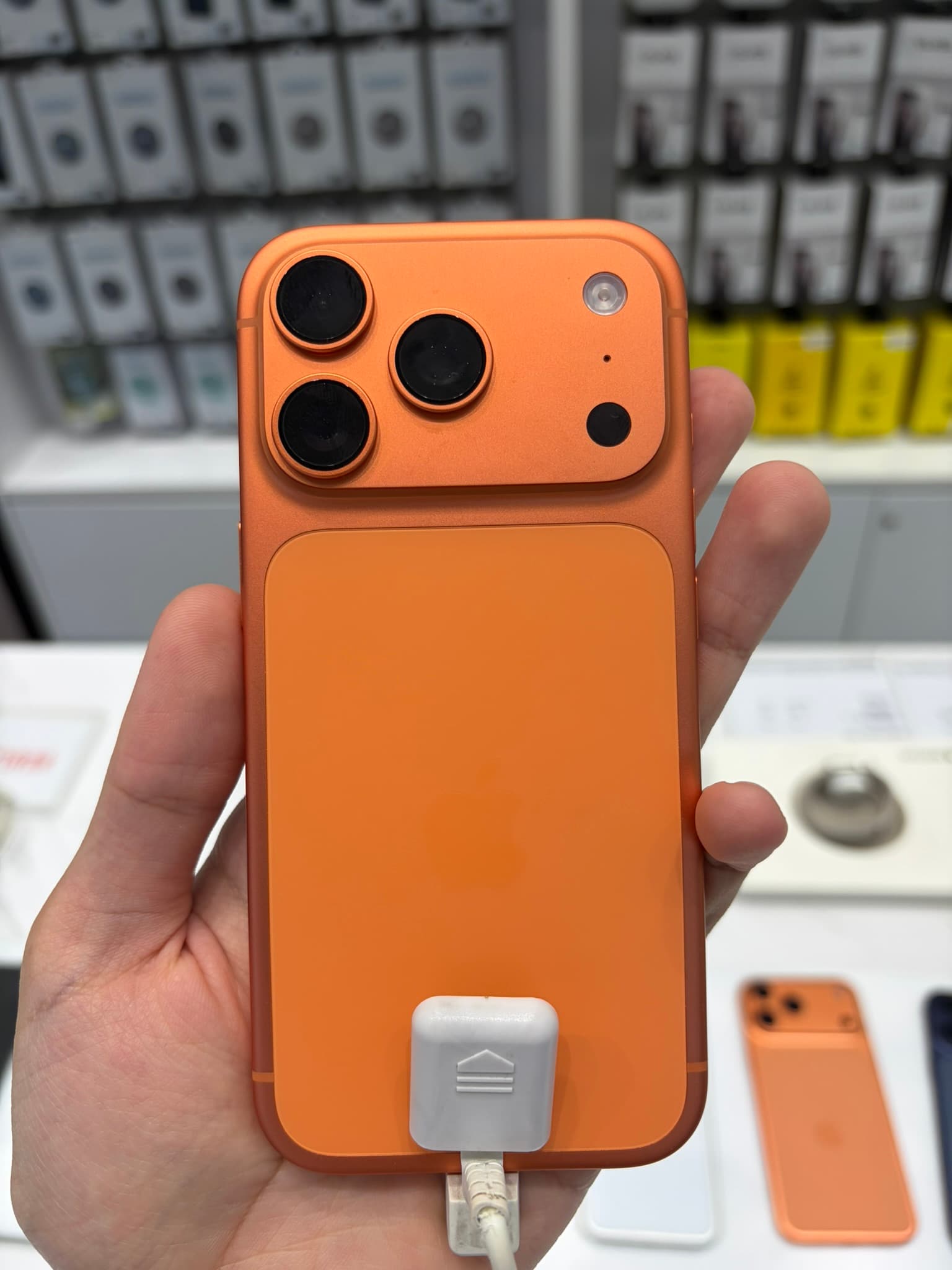
Buy the iPhone 17 Pro. Handoff, AirDrop, iMessage, and Continuity features genuinely save time daily if you already own the other hardware. At $1,099 for 256GB, you're also getting Apple's longest software support track record of the three brands. Don't buy it expecting the best zoom camera — Samsung's is meaningfully longer.
You take notes by hand or want a stylus
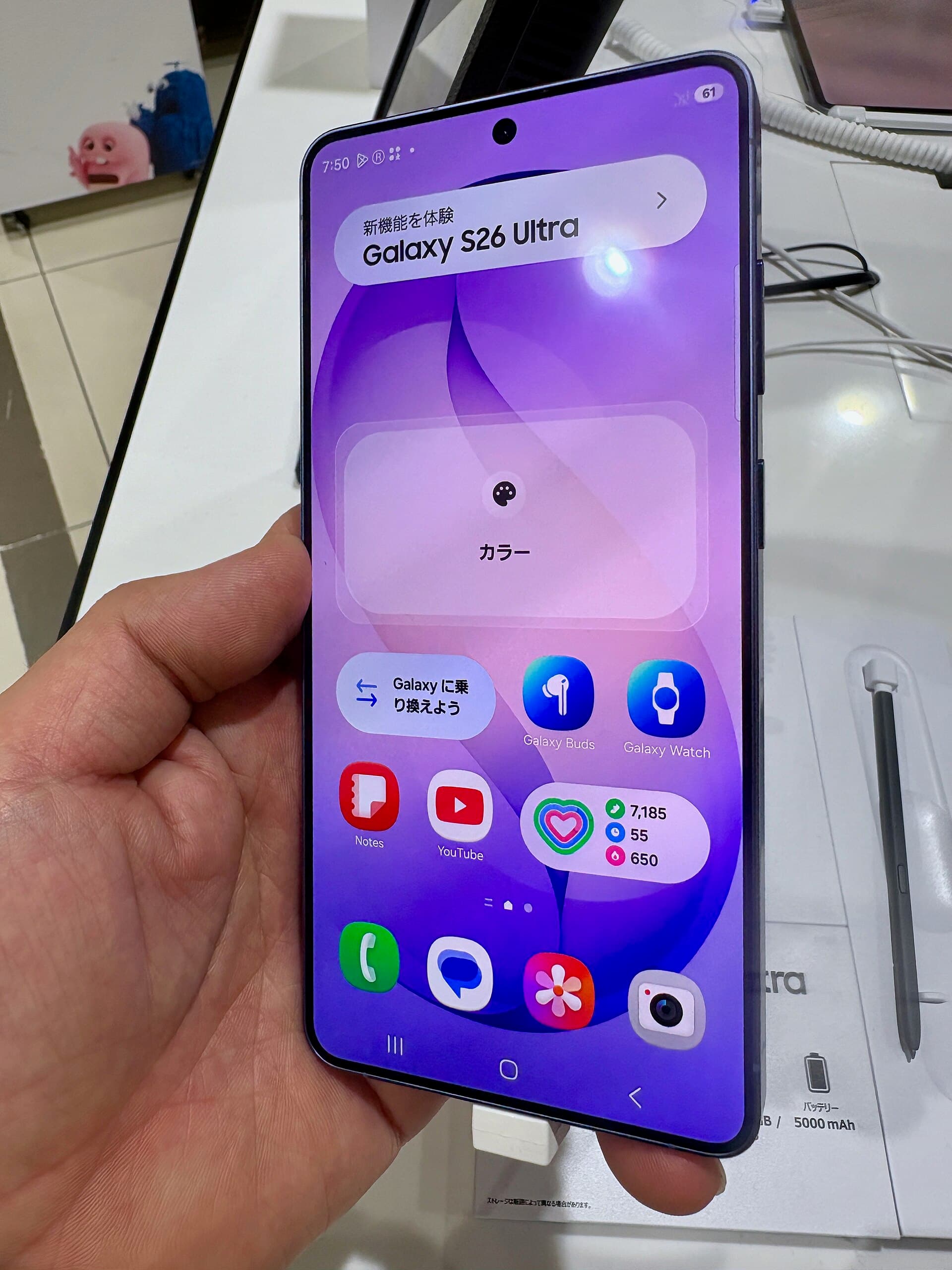
Buy the Galaxy S26 Ultra. The S Pen is integrated into the phone body at no extra cost. It's also the fastest-charging of the three. At $1,299.99 starting, it's the most expensive of the three — don't buy it if the S Pen and charging speed aren't things you'll actually use.
You want the best photos with the least manual effort
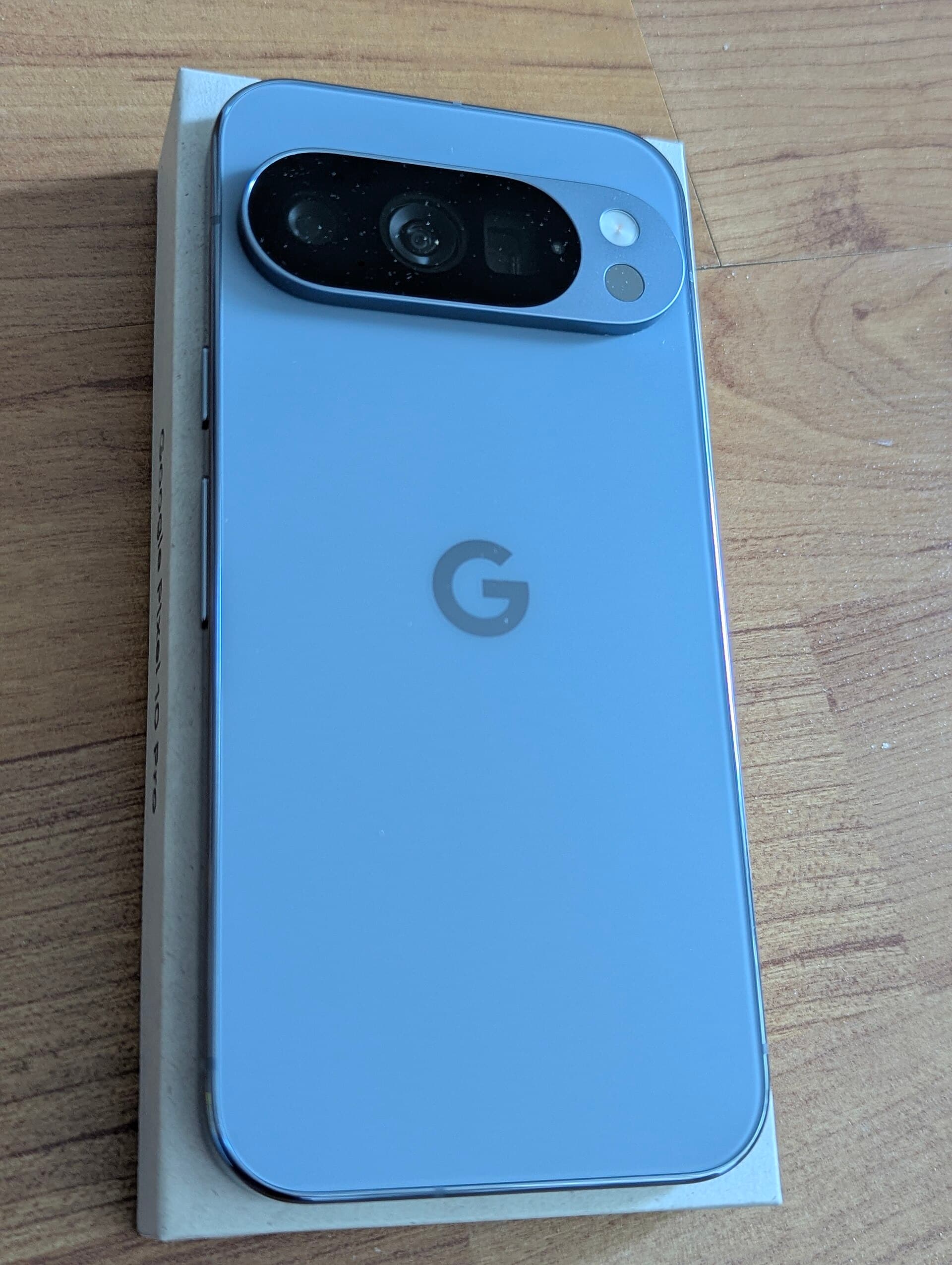
Buy the Pixel 10 Pro. At $999 starting, it's $100-300 cheaper than the other two, and Google's Tensor G5 pipeline is widely regarded as producing the most consistently well-exposed images straight off the sensor. Don't buy it if you need the longest possible zoom.
You mainly care about raw performance
All three chipsets — A19 Pro, Snapdragon 8 Elite Gen 5 for Galaxy, Tensor G5 — are current-generation flagship silicon and will handle anything a phone needs to do today. Don't let this be your deciding factor unless you have a specific, named use case.
You're on a tight budget but still want "flagship"
None of these three is a budget phone — $999 is the floor. If that's genuinely a stretch, look at the non-Pro/non-Ultra tier instead before stretching your budget onto a Pro/Ultra model for features you may not use.
Products covered
| Specification | Apple iPhone 17 Pro | Samsung Galaxy S26 Ultra | Google Pixel 10 Pro |
|---|---|---|---|
| Chipset | A19 Pro | Snapdragon 8 Elite Gen 5 for Galaxy | Google Tensor G5 |
| Display size | 6.3" | 6.9" | 6.3" |
| Display type | Super Retina XDR OLED, ProMotion 120Hz | Dynamic AMOLED 2X, 120Hz | LTPO OLED, 120Hz |
| RAM | 12GB (not officially disclosed by Apple) | 12GB / 16GB | 16GB |
| Storage options | 256GB / 512GB / 1TB | 256GB / 512GB / 1TB | 128GB / 256GB / 512GB / 1TB |
| Battery capacity | Not disclosed by Apple; claims up to 33h video playback | 5,000mAh | 4,870mAh |
| Rear camera system | Triple 48MP (main, ultra-wide, 4x telephoto) | Quad (200MP wide, 50MP ultra-wide, 50MP 5x tele, 10MP 3x tele) | Triple 50MP main, 48MP ultrawide, 48MP 5x telephoto |
| Launch price (USD) | 1099 USD | 1299.99 USD | 999 USD |
Sources
- Apple Newsroomprimary source
- Samsung USprimary source
- GSMArena
Tech Carvalho does not publish hands-on test results. This piece is written from the sources above and from public documentation. See our editorial policy.