Phone Camera vs. a Real Camera in 2026: What You Actually Gain and Lose
The honest, unglamorous answer: for the overwhelming majority of people, this year's flagship phone cameras are good enough that a dedicated camera is no…
The honest, unglamorous answer: for the overwhelming majority of people, this year's flagship phone cameras are good enough that a dedicated camera is no longer worth carrying — but the exceptions are specific and real.
The sensor size gap is still enormous
A flagship phone's main sensor — even the Galaxy S26 Ultra's 200MP wide sensor — is physically a fraction of the size of an APS-C or full-frame sensor in even an entry-level mirrorless camera. Sensor size, not megapixel count, is what actually governs dynamic range, low-light performance, and background blur quality. Phone manufacturers compensate with computational photography, and that compensation is remarkably good now, but it is synthesis, not optics.
Where phones now genuinely compete
In good-to-moderate light, static or slow-moving subjects, and typical "share it today" use, the gap has effectively closed. All three 2026 flagships shoot 48MP-or-higher stills and do real optical zoom now — Apple 4x, Samsung 5x, Google 5x on their longest lenses.
Where the phone still loses
Fast action and sports: phone autofocus still can't match a dedicated camera's phase-detection AF for tracking a fast subject. Extreme low light without a tripod: a phone's multi-frame stacking needs the subject to hold still; a full-frame sensor with a fast lens captures a usable low-light image in a single frame. True optical zoom beyond ~5x: every "100x" number Samsung and Google market past their optical range is AI-upscaled digital zoom. Background blur on close subjects at long focal lengths still visibly fails on complex edges in a way a real fast lens doesn't.
Who should still buy a dedicated camera in 2026
Anyone shooting sports, wildlife, or fast-moving kids regularly. Anyone doing paid event or product photography where clients expect print-quality output. Anyone shooting frequently in genuinely dark environments without wanting to set up a tripod.
Who shouldn't bother
If your camera use is casual and social, the phone camera on any of this year's three flagships will outperform a five-year-old entry-level dedicated camera in every practical, non-technical sense.
Products covered
| Specification | Apple iPhone 17 Pro | Samsung Galaxy S26 Ultra | Google Pixel 10 Pro |
|---|---|---|---|
| Chipset | A19 Pro | Snapdragon 8 Elite Gen 5 for Galaxy | Google Tensor G5 |
| Display size | 6.3" | 6.9" | 6.3" |
| Display type | Super Retina XDR OLED, ProMotion 120Hz | Dynamic AMOLED 2X, 120Hz | LTPO OLED, 120Hz |
| RAM | 12GB (not officially disclosed by Apple) | 12GB / 16GB | 16GB |
| Storage options | 256GB / 512GB / 1TB | 256GB / 512GB / 1TB | 128GB / 256GB / 512GB / 1TB |
| Battery capacity | Not disclosed by Apple; claims up to 33h video playback | 5,000mAh | 4,870mAh |
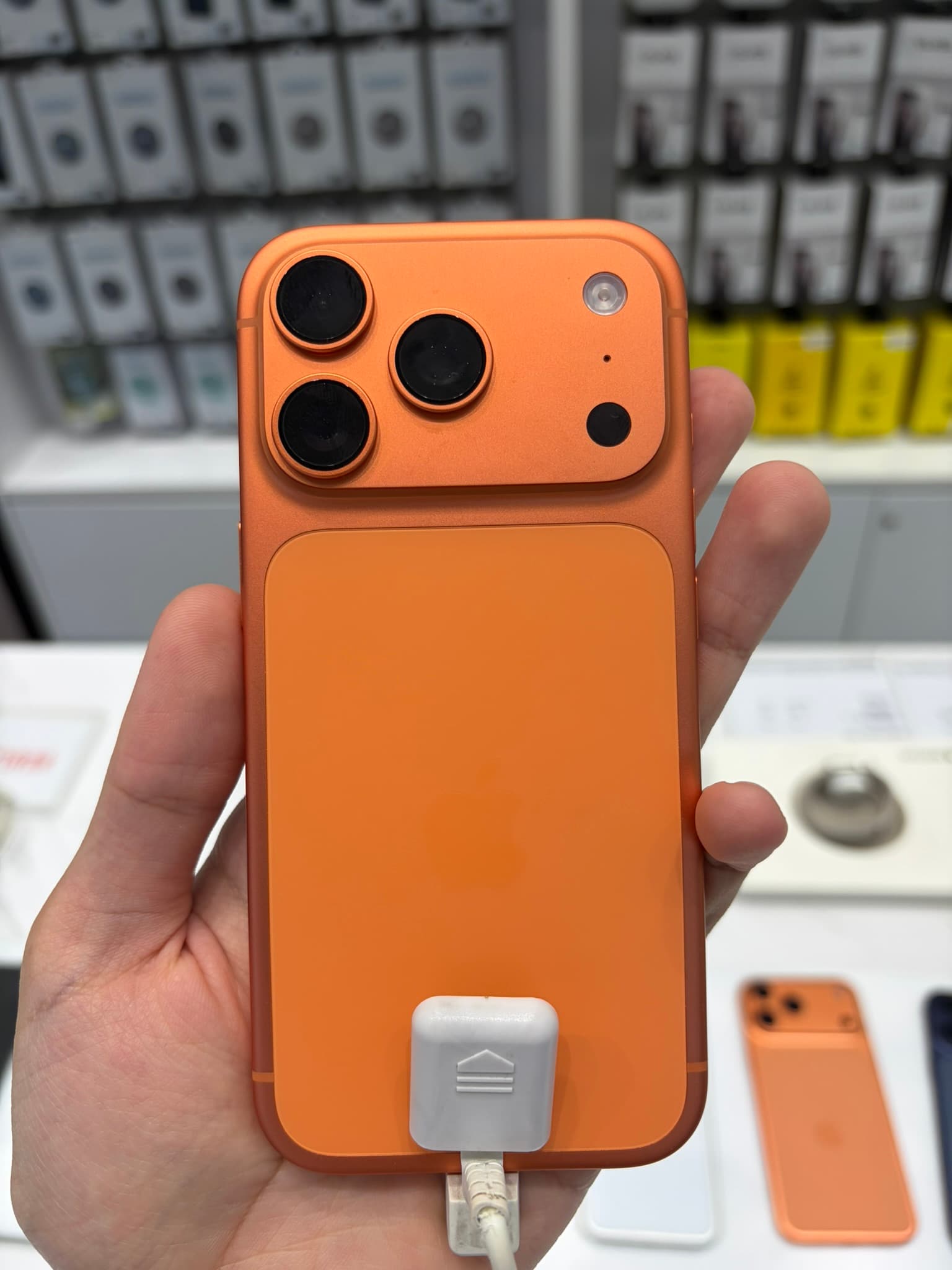
| Rear camera system | Triple 48MP (main, ultra-wide, 4x telephoto) | Quad (200MP wide, 50MP ultra-wide, 50MP 5x tele, 10MP 3x tele) | Triple 50MP main, 48MP ultrawide, 48MP 5x telephoto |
| Launch price (USD) | 1099 USD | 1299.99 USD | 999 USD |
Sources
- Apple Newsroomprimary source
- Samsung USprimary source
Tech Carvalho does not publish hands-on test results. This piece is written from the sources above and from public documentation. See our editorial policy.