
Canon EOS R vs RP: Canon's First Full-Frame Mirrorless Bodies Compared
Canon's original full-frame RF mirrorless body against the smaller, cheaper RP that followed five months later — viewfinder, burst rate, battery, and video crop compared.
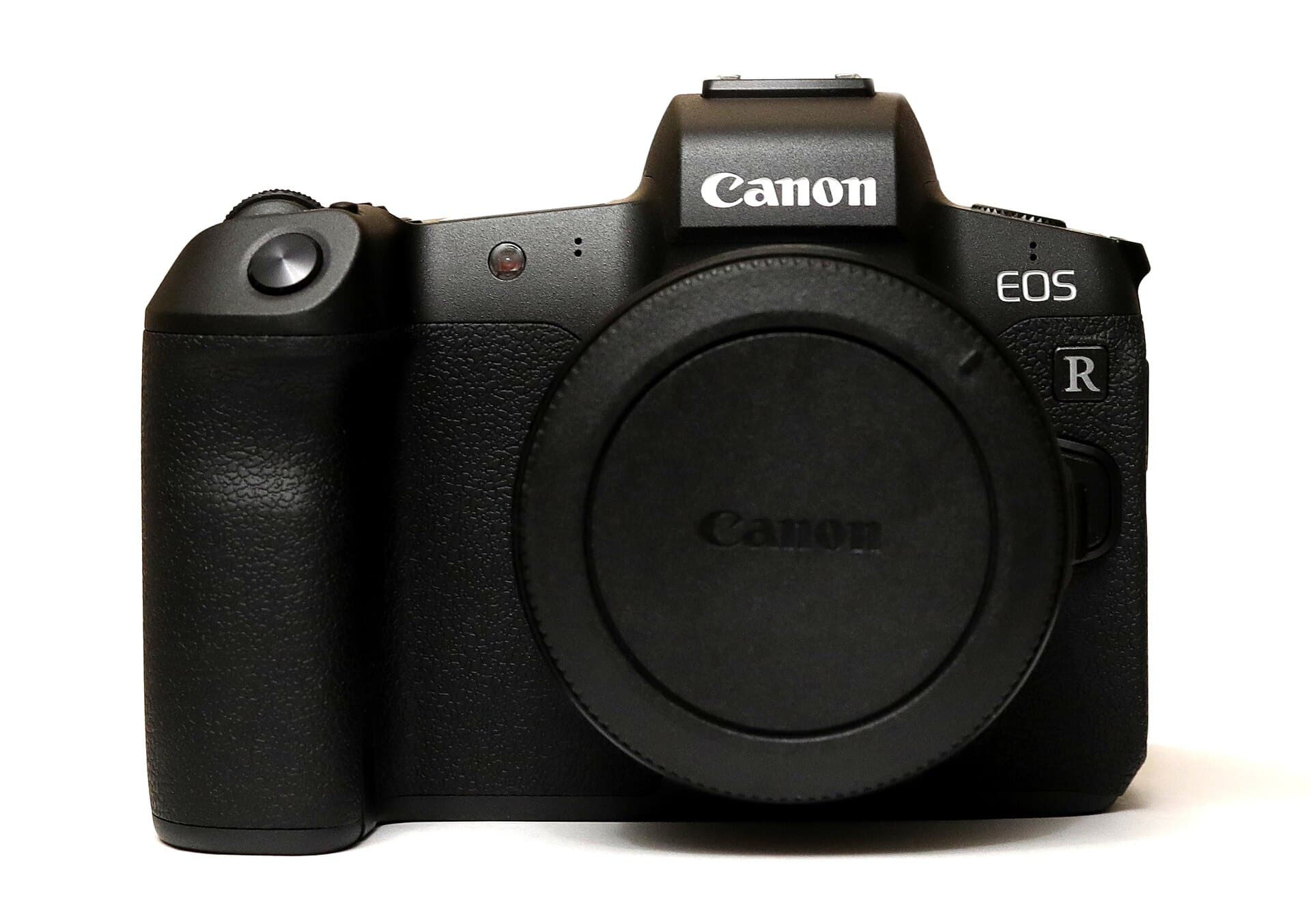
The EOS R (September 2018) was Canon's first full-frame mirrorless camera and the debut of the RF lens mount, launched at $2,299. The EOS RP followed just five months later at $1,299 — a deliberately smaller, cheaper entry point rather than a direct successor. Understanding it as a price-tier split, not a generational one, makes most of the spec differences below make immediate sense.
Viewfinder: the difference you'll notice before any spec sheet
The R's EVF is a 3.69-million-dot OLED unit at 0.76x magnification. The RP's is 2.36 million dots at 0.70x — a visibly lower-resolution, smaller-feeling viewfinder image. This is exactly the kind of spec that reads as a minor number difference on paper and is obvious the moment you actually look through both.
Resolution, autofocus, and burst rate
The R carries a 30.3MP sensor with Dual Pixel CMOS AF and Eye Detection AF explicitly listed in its specs. The RP's 26.2MP sensor also runs Dual Pixel CMOS AF, with 4,779 manually selectable points — its confirmed spec entry doesn't separately call out Eye Detection AF the way the R's does, though both share the same underlying Dual Pixel CMOS AF foundation. Burst rate is a clearer gap: 8fps on the R versus 5fps on the RP, worth flagging for anyone photographing any kind of movement.
Battery and size
The R uses the LP-E6N, the same higher-capacity battery family shared across much of Canon's DSLR line, and weighs 580g. The RP uses the smaller LP-E17 — the same battery as Canon's Rebel-series DSLRs — and weighs 440g, a real and noticeable difference in hand and in a bag, at the cost of shooting stamina per charge.
Video: both crop for 4K, one much more severely
The R records 4K at 30fps with a sensor crop (the exact crop factor isn't stated in confirmed spec data for the R). The RP's 4K is capped at 23.98fps with a documented 1.7x crop — a genuinely severe crop that narrows the field of view considerably and works against low-light video performance. Don't assume "both do 4K" means comparable 4K; the RP's is the more compromised of the two.
Price positioning explains most of the rest
A $1,000 gap at launch isn't small, and it accounts for nearly everything above — the smaller battery, the lower-resolution EVF, the slower burst rate. None of it makes the RP a bad camera; it's what Canon removed to hit a meaningfully lower price point for buyers moving into full-frame RF for the first time.
Who should pick which
The R: stills-focused shooters who'll spend real time looking through the viewfinder and want the faster burst rate. The RP: anyone entering full-frame RF on a tighter budget, travel and lightweight setups, or an APS-C upgrader who wants full-frame image quality without paying for best-in-class AF or burst performance.
The honest bottom line
These are Canon's two entry points into full-frame RF mirrorless, five months and $1,000 apart, and the spec gaps track that price gap closely rather than representing one camera simply outclassing the other.
Products covered
| Specification | Canon EOS RP | Canon EOS R |
|---|---|---|
| Sensor type | CMOS sensor (supports Dual Pixel CMOS AF), approx. 35.9 x 24.0 mm | CMOS sensor, approx. 36.0 x 24.0 mm |
| Effective megapixels | 26.2 MP | 30.3 MP |
| ISO range (expanded) | L: 50, H1: 51200, H2: 102400 | 50-102400 |
| Burst rate (mechanical shutter) | 5 fps | 8 fps |
| Shutter speed range | 30 s to 1/4000 s | 30 s to 1/8000 s |
| Video resolutions/frame rates | 4K UHD at 23.98fps with 1.7x crop; Full HD/HD at various rates | 4K at 30fps (cropped sensor) |
| Electronic viewfinder | 2.36m-dot OLED EVF, 0.70x magnification | 3.69m-dot OLED EVF, 0.76x magnification, 100% coverage |
| Rear display | 3.0in vari-angle touchscreen | 3.2in vari-angle touchscreen, 2.1m dots |
| Battery model | LP-E17 | LP-E6N (also compatible with LP-E6, LP-E6NH) |
| Dimensions (W×H×D) | 132.5 x 85.0 x 70.0 mm | 135.8 x 98.3 x 84.4 mm |
| Weight (body only) | 440 g | 580 g |
| Announcement date | 13 February 2019 | 5 September 2018 |
| Launch MSRP (USD, body only) | $1,299 (body only) | $2,299 (body only) |
| Battery | LP-E17 | LP-E6N |
| Weight | 485 g | 660 g |
| Width | 132.5 mm | 135.8 mm |
| Height | 85 mm | 98.3 mm |
| Depth | 70 mm | 84.4 mm |
| Sensor format | full-frame | full-frame |
| Processor | DIGIC 8 | DIGIC 8 |
| Lens mount | RF | RF |
| Autofocus system | Dual Pixel CMOS AF (Canon states "Dual Pixel CMOS AF: Supported") | Dual Pixel CMOS AF (Canon states "Dual Pixel CMOS AF: Supported") |
| ISO range (native) | 100-40000 | 100-40000 |
| Image stabilisation | None (lens-based IS only) | None (lens-based IS only) |
More in this guide series
2 pieces that build on this one.
 Comparison
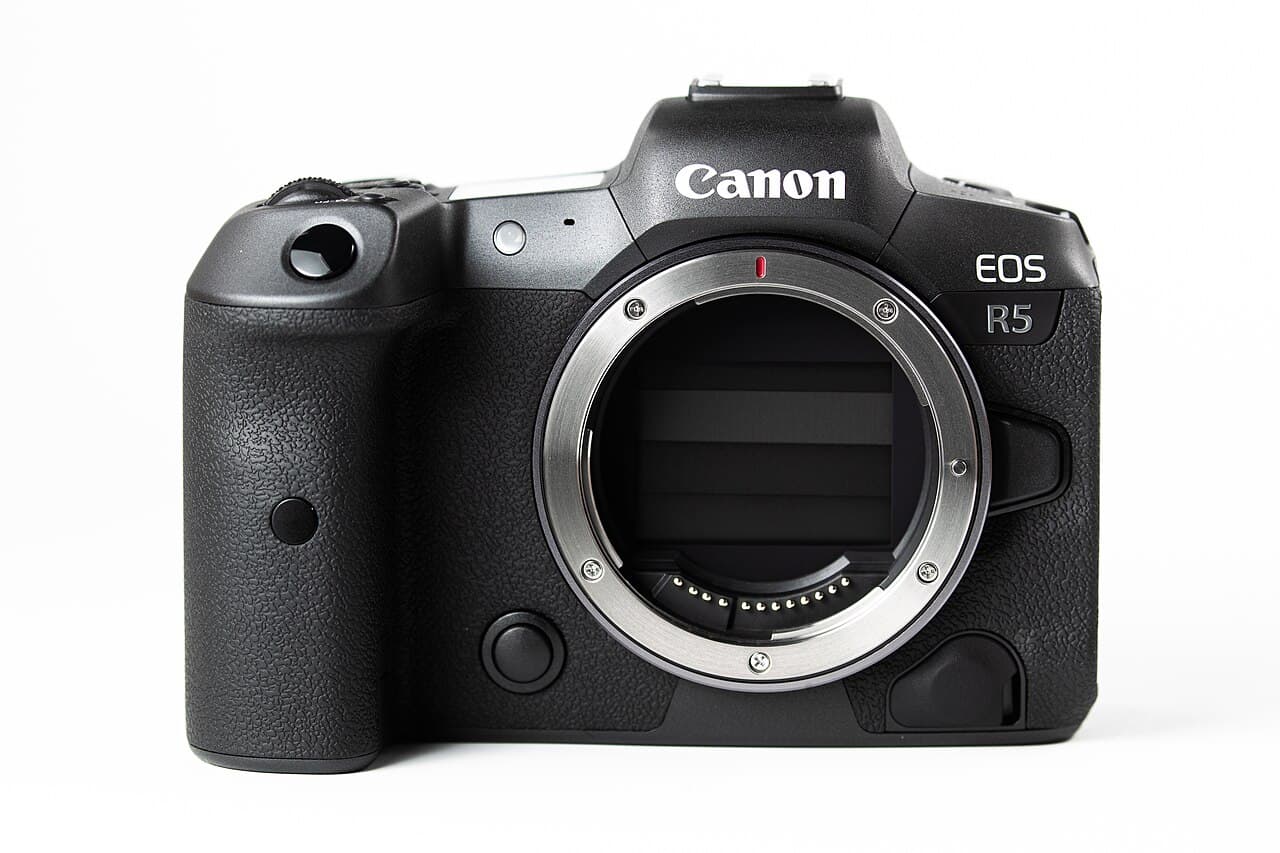
Canon EOS R5 vs R6: Which Full-Frame R Body Do You Need
Resolution, video ceiling, and the ISO advantage that actually favors the cheaper R6 — a spec-by-spec look at Canon's two July 2020 full-frame flagships.
 Comparison
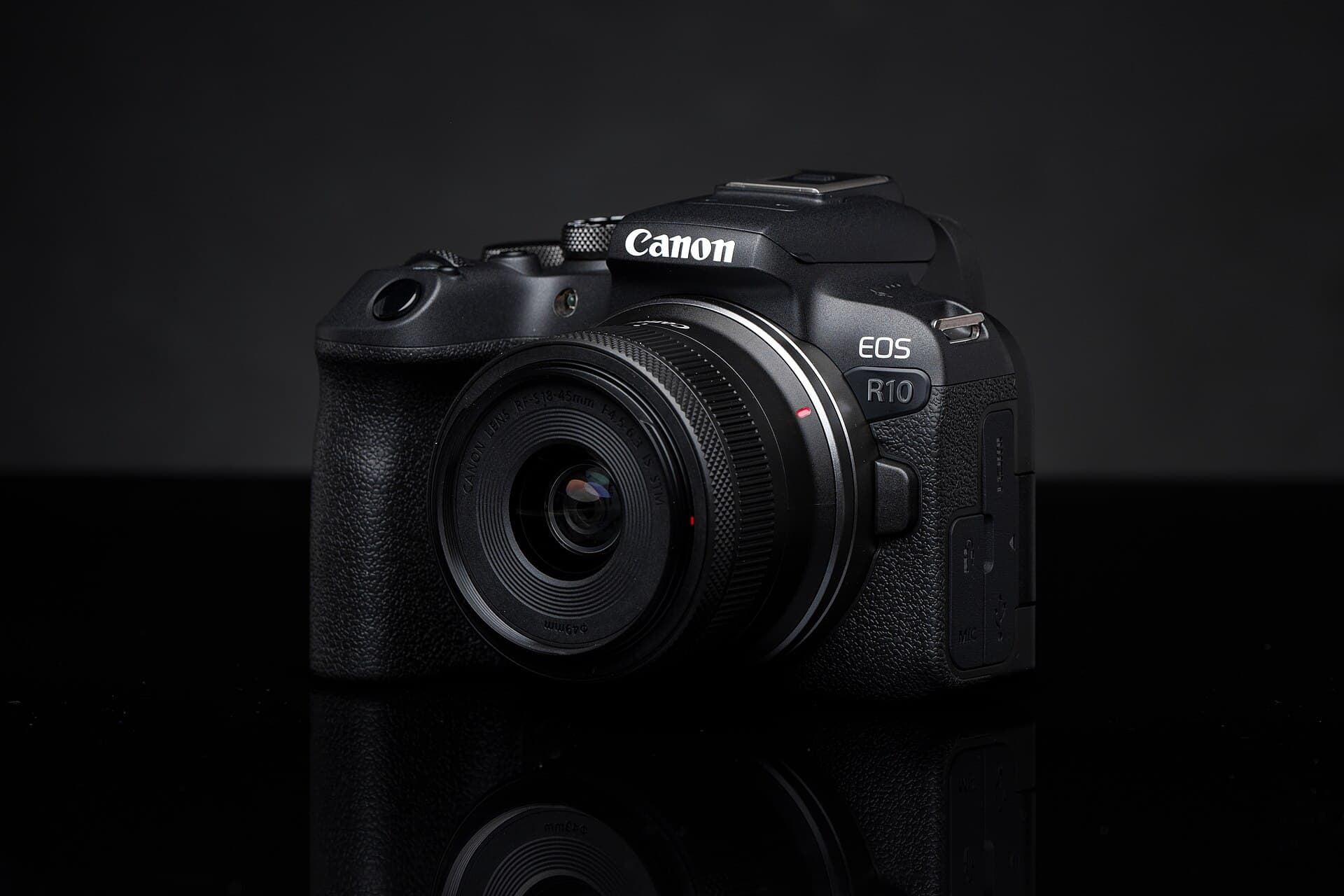
Canon R10 vs R7: Canon's APS-C Mirrorless Lineup Explained
Why the R10 and R7 aren't a generational succession, and the one spec — in-body stabilization — that matters more than everything else on this comparison.
Related comparisons
Other head-to-heads covering the same subject.
- Comparison
Canon EOS R5 vs R6: Which Full-Frame R Body Do You Need
Resolution, video ceiling, and the ISO advantage that actually favors the cheaper R6 — a spec-by-spec look at Canon's two July 2020 full-frame flagships.
- Comparison
Canon R10 vs R7: Canon's APS-C Mirrorless Lineup Explained
Why the R10 and R7 aren't a generational succession, and the one spec — in-body stabilization — that matters more than everything else on this comparison.
 Comparison
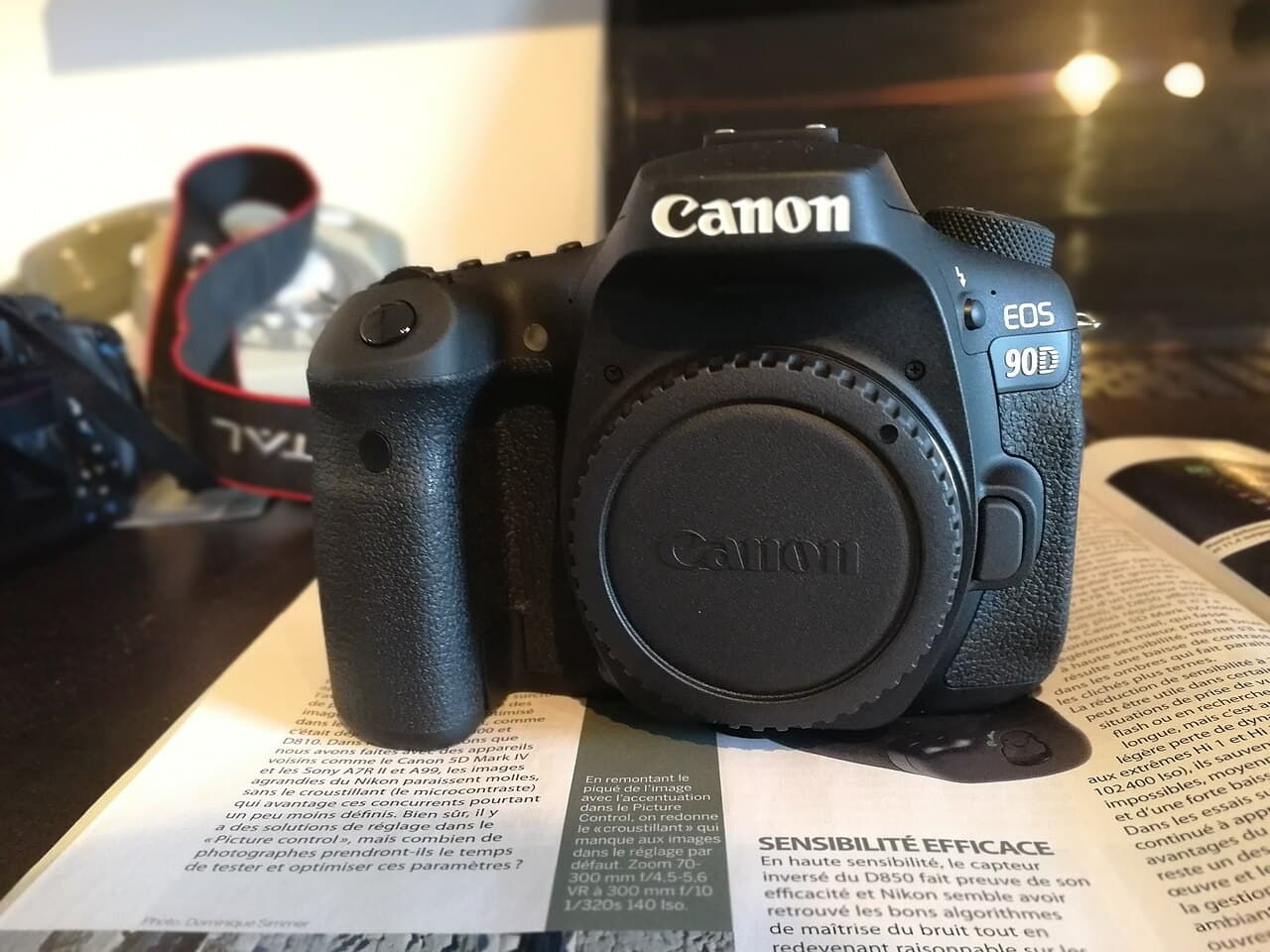
Canon 90D vs Entry Mirrorless: Which Should You Actually Buy
Canon's last major APS-C DSLR against a current entry-level APS-C mirrorless body — autofocus generation, battery life, weather sealing, and lens ecosystem compared.
 Comparison
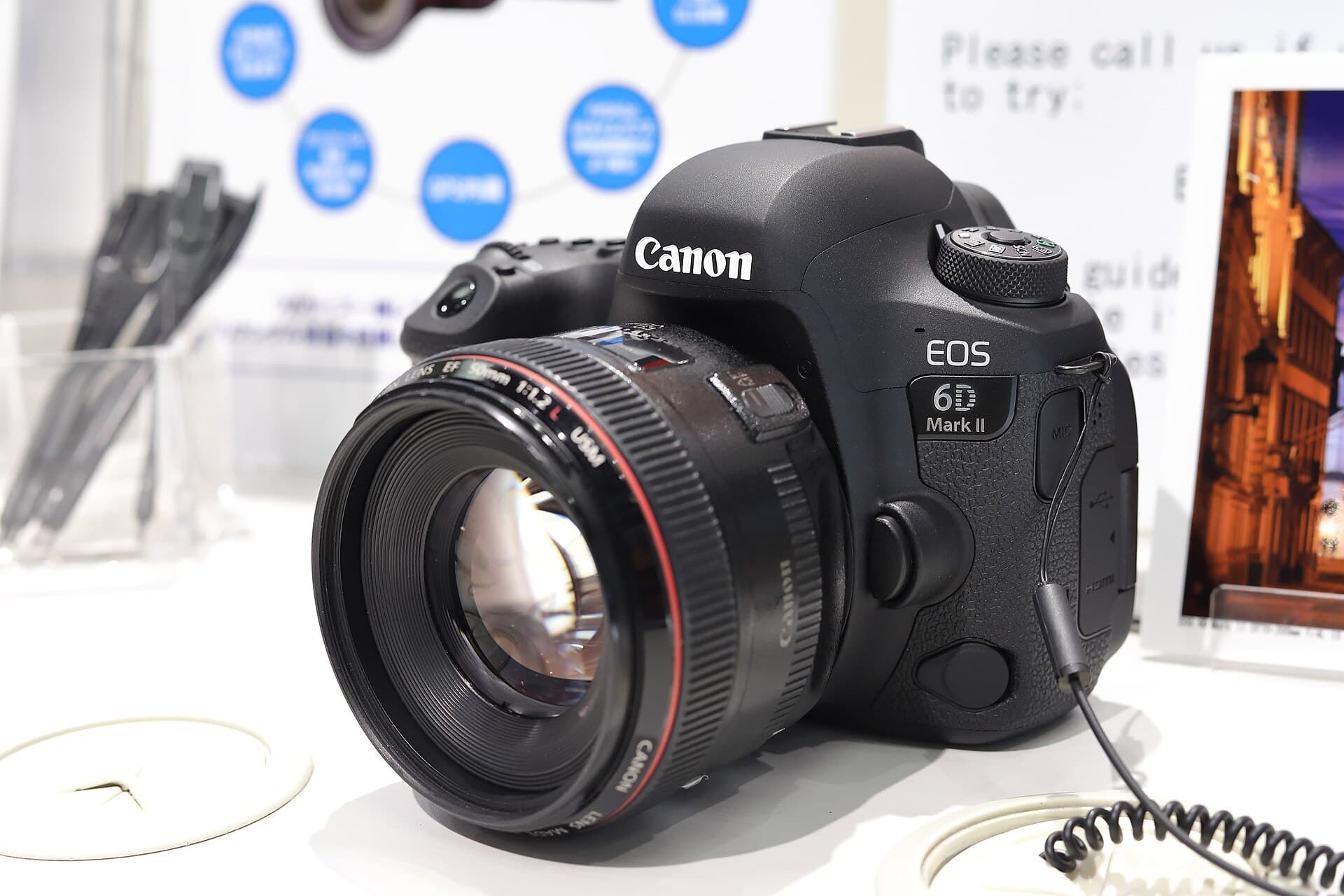
Canon 6D vs 6D Mark II: Is the Upgrade Actually Worth It
What actually changed between Canon's original entry-level full-frame DSLR and its 2017 successor — autofocus, screen, ISO — and the video limit that didn't move.