
Canon 6D vs 6D Mark II: Is the Upgrade Actually Worth It
What actually changed between Canon's original entry-level full-frame DSLR and its 2017 successor — autofocus, screen, ISO — and the video limit that didn't move.
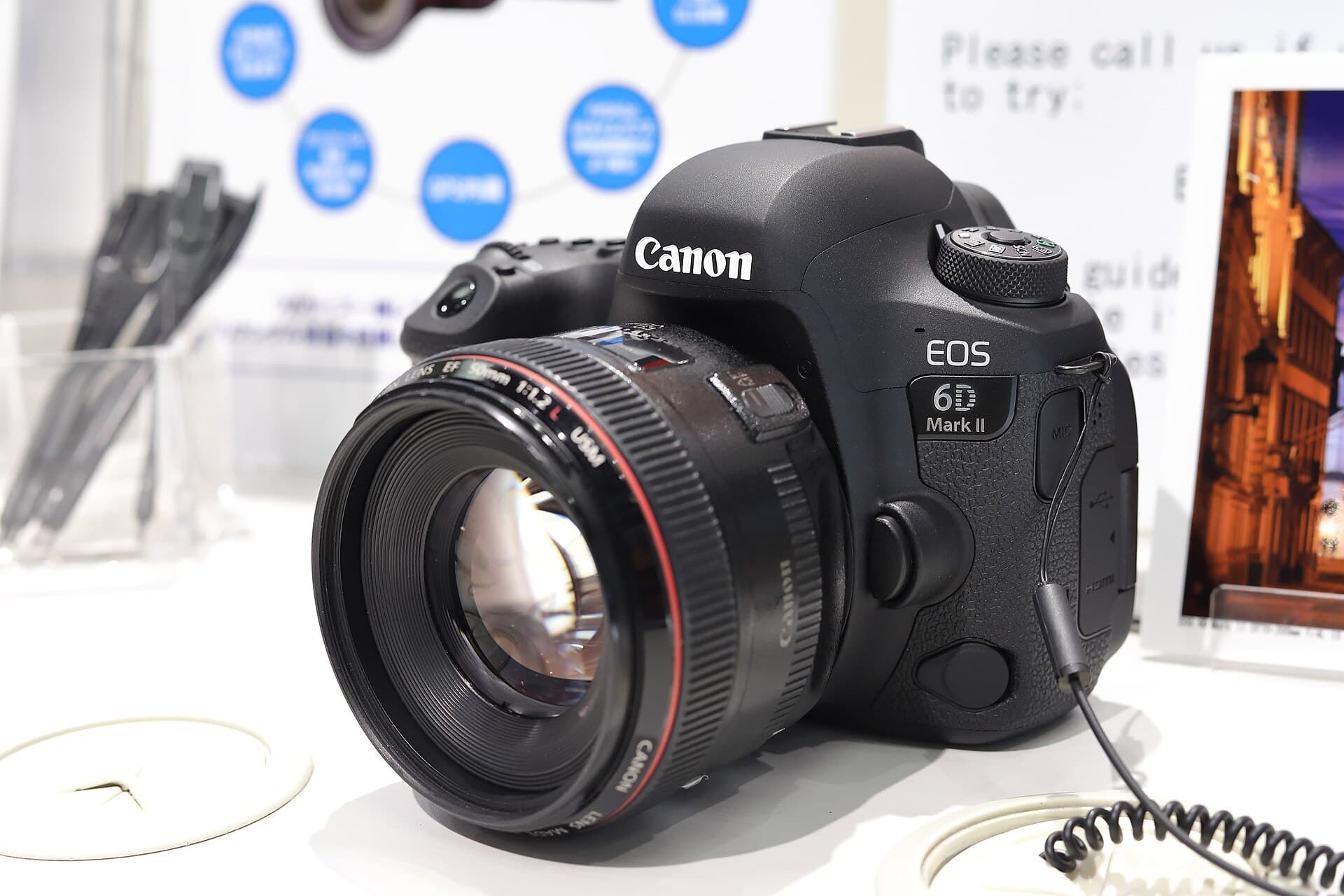
Canon's entry point into full-frame DSLRs got a five-year gap between the original 6D (2012) and the 6D Mark II (2017). Five years is a long time in camera development, and most of what changed in that gap shows up in one specific area — autofocus — while one area that a lot of buyers expect to have moved genuinely didn't.
Autofocus: the biggest jump on this list, by far
The original 6D shipped with an 11-point AF system, only one of which was cross-type, centered and sensitive down to -3 EV — genuinely good for that single center point in low light, but sparse everywhere else in the frame. The 6D Mark II replaced this with 45 points, all cross-type, with the center point sensitive to -3 EV at f/2.8. That's not an incremental refinement — it's a completely different AF system, with far more usable coverage away from dead-center and much more reliable performance on anything not perfectly centered in the frame.
Resolution, ISO ceiling, and burst rate
The 6D's 20.2MP sensor gave way to 26.2MP on the Mark II — a real but modest resolution gain. ISO ceiling moved more: 100-25600 native (expanded to 102400) on the original 6D versus 100-40000 native (also expanded to 102400 at the top end) on the Mark II. Burst rate went from 4.5fps to 6.5fps — still not a fast-action camera by any modern standard, but a meaningful step for anything beyond static subjects.
Screen and connectivity
The original 6D's 3.0in rear screen is fixed, non-touch. The Mark II's is a vari-angle touchscreen — a genuinely different, more flexible shooting experience for low or high angles, tripod work, or video framing. Connectivity moved from Wi-Fi (plus GPS on the separate WG variant) to Wi-Fi, Bluetooth, and NFC on the Mark II, making phone pairing considerably less fiddly.
The video ceiling that didn't move
Here's the part that surprises people checking the spec sheet cold: despite five years and two full sensor/processor generations between them, the 6D Mark II still tops out at 1080p video — its only 4K capability is a 4K time-lapse mode, not actual 4K video recording. If 4K video matters to you at all, neither of these bodies gets you there, and it's worth knowing that going in rather than assuming a 2017 camera automatically covers it.
Who should actually buy the original 6D
Someone prioritizing price above almost everything else, shooting mostly static subjects — landscapes, architecture, tripod-based portraiture — where a single strong center AF point does most of the real work anyway.
Who should buy the 6D Mark II
Anyone who'll shoot handheld or with any subject movement, where the 45-point AF coverage genuinely changes your keeper rate. Anyone who wants a vari-angle screen for video or awkward angles. Anyone who'll actually use Bluetooth/NFC phone pairing day to day.
The honest bottom line
This is a real, meaningful upgrade in exactly one area — autofocus — plus useful but secondary gains in ISO ceiling, burst rate, and screen flexibility. It is not an upgrade in video capability at all, which is worth sitting with before assuming five years automatically bought you more.
Products covered
| Specification | Canon EOS 6D | Canon EOS 6D Mark II |
|---|---|---|
| Sensor format | Full-frame (35.8 x 23.9 mm) | full-frame |
| Sensor type | CMOS | CMOS sensor, approx. 35.9 x 24.0 mm |
| Effective megapixels | 20.2 MP | 26.2 MP |
| Processor | DIGIC 5+ | DIGIC 7 |
| Lens mount | Canon EF | EF |
| Autofocus system | 11-point AF, 1 cross-type centre point (sensitive to -3 EV) | 45-point all cross-type phase-detection AF (viewfinder); Dual Pixel CMOS AF in live view |
| ISO range (native) | 100-25600 | 100-40000 |
| ISO range (expanded) | L: 50, H1: 51200, H2: 102400 | L: 50, H2: 102400 |
| Burst rate (mechanical shutter) | 4.5 fps | 6.5 fps |
| Shutter speed range | 30 s to 1/4000 s, Bulb; X-sync at 1/180 s | 1/4000 s - 30 s, Bulb; X-sync at 1/180 s |
| Video resolutions/frame rates | 1920x1080 at 24/25/30p; 1280x720 at 50/60p; 640x480 at 50/60p | 1080p at 60/50 fps; 4K time-lapse only (no 4K video recording) |
| Electronic viewfinder | Optical pentaprism, 97% coverage, 0.71x magnification | Optical pentaprism, 98% coverage, 0.71x magnification |
| Rear display | 3.0in, approx. 1,040,000 dots | 3.0in vari-angle touchscreen, 1,040,000 dots |
| Battery model | LP-E6 (1800 mAh) | LP-E6N |
| Dimensions (W×H×D) | 144.5 x 110.5 x 71.2 mm | 144.0 x 110.5 x 74.8 mm |
| Weight (body only) | 680 g | 685 g |
| Connectivity | Wi-Fi; GPS (WG variant only) | NFC, Bluetooth, Wi-Fi |
| Announcement date | 17 September 2012 | 29 June 2017 |
| Launch MSRP (USD, body only) | $1,899 (body only) | $1,999 (body only) |
| Storage/card slots | SD/SDHC/SDXC (UHS-I) | SD/SDHC/SDXC (UHS-I) |
Related comparisons
Other head-to-heads covering the same subject.
 Comparison
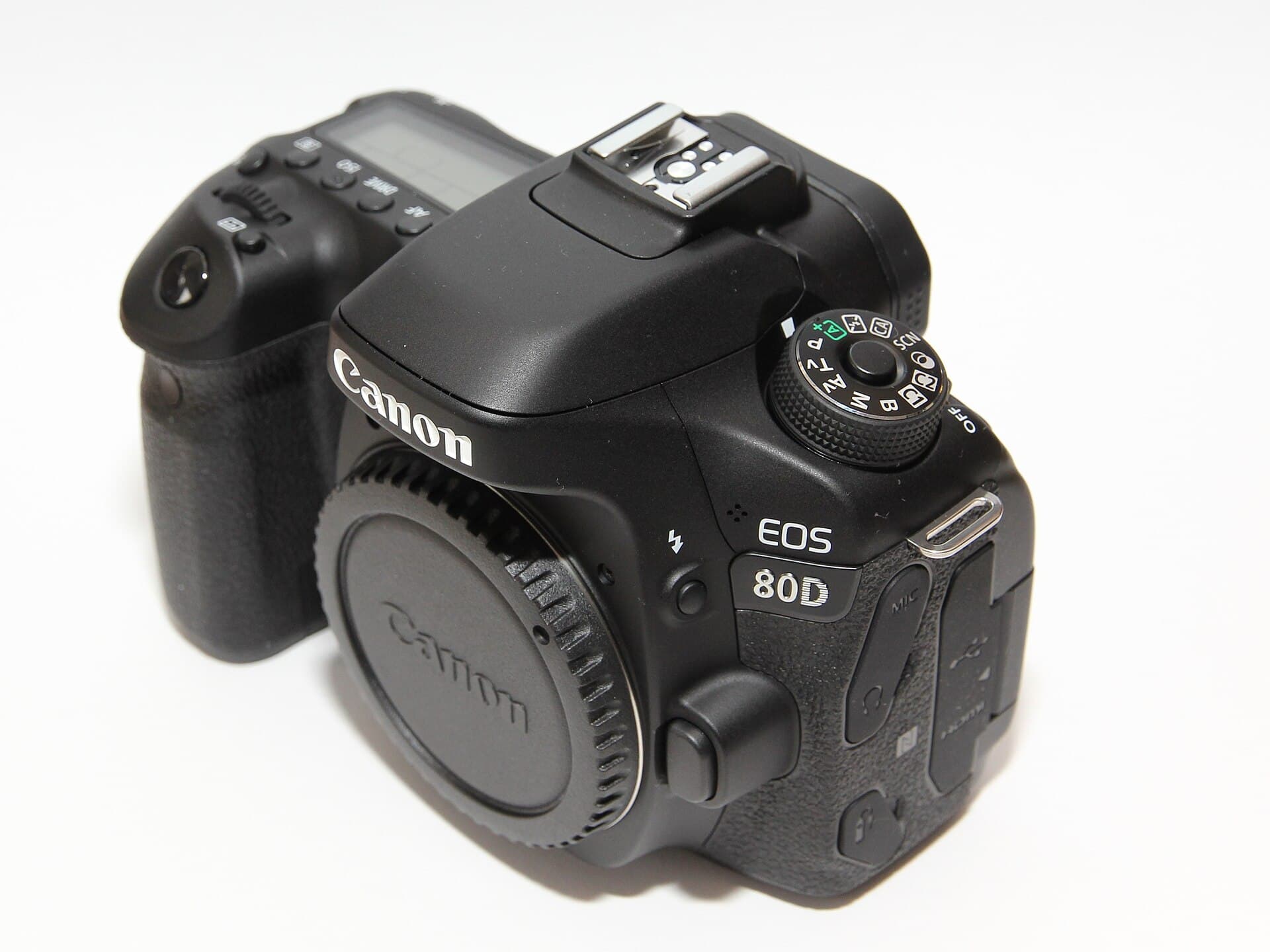
Canon EOS 70D vs 80D vs 90D: What Actually Changed Between Generations
A generation-by-generation breakdown of what actually improved between the Canon EOS 70D, 80D, and 90D, and how to pick the right one for your budget.
 Comparison
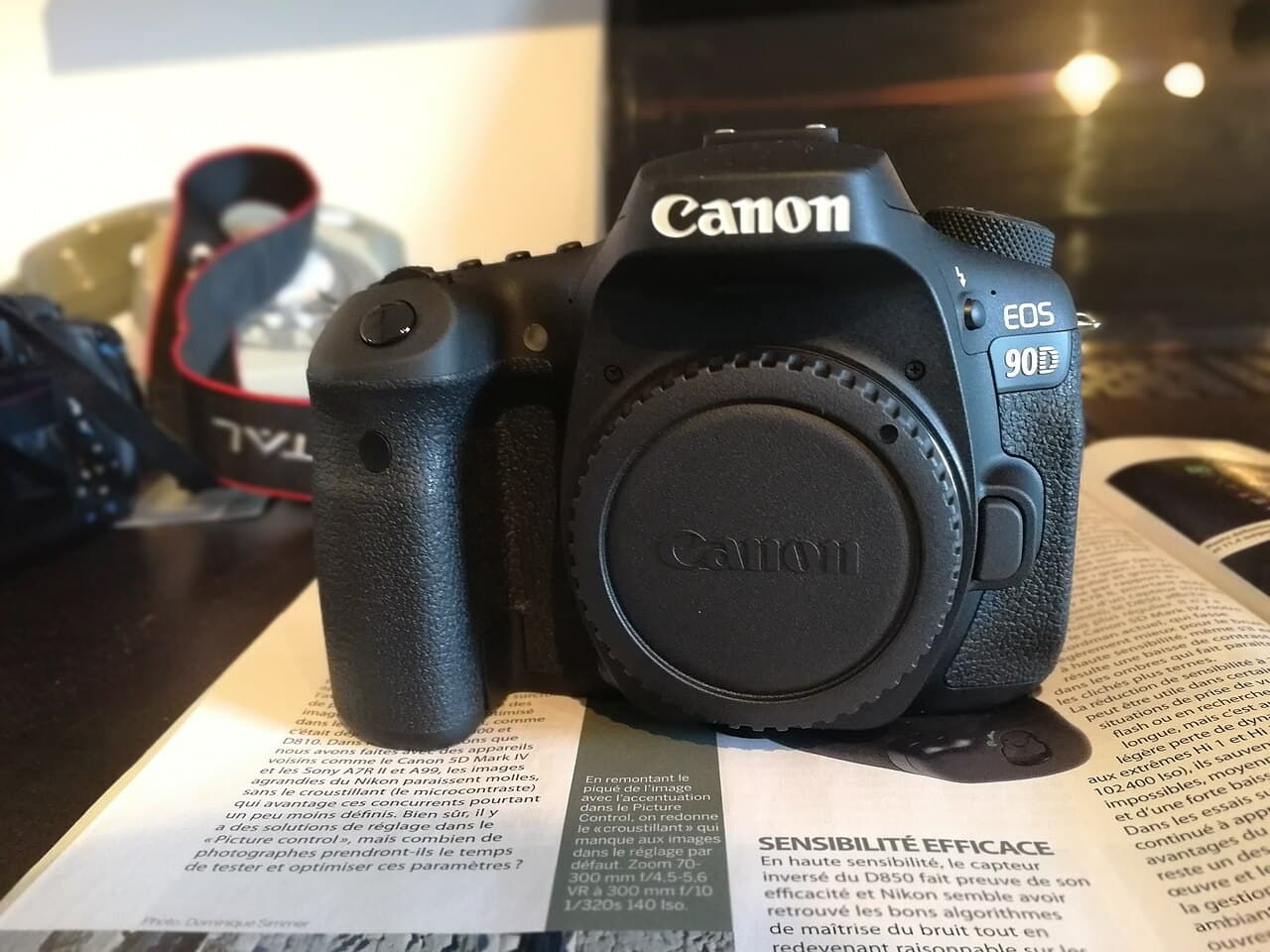
Canon 90D vs Entry Mirrorless: Which Should You Actually Buy
Canon's last major APS-C DSLR against a current entry-level APS-C mirrorless body — autofocus generation, battery life, weather sealing, and lens ecosystem compared.
 Comparison
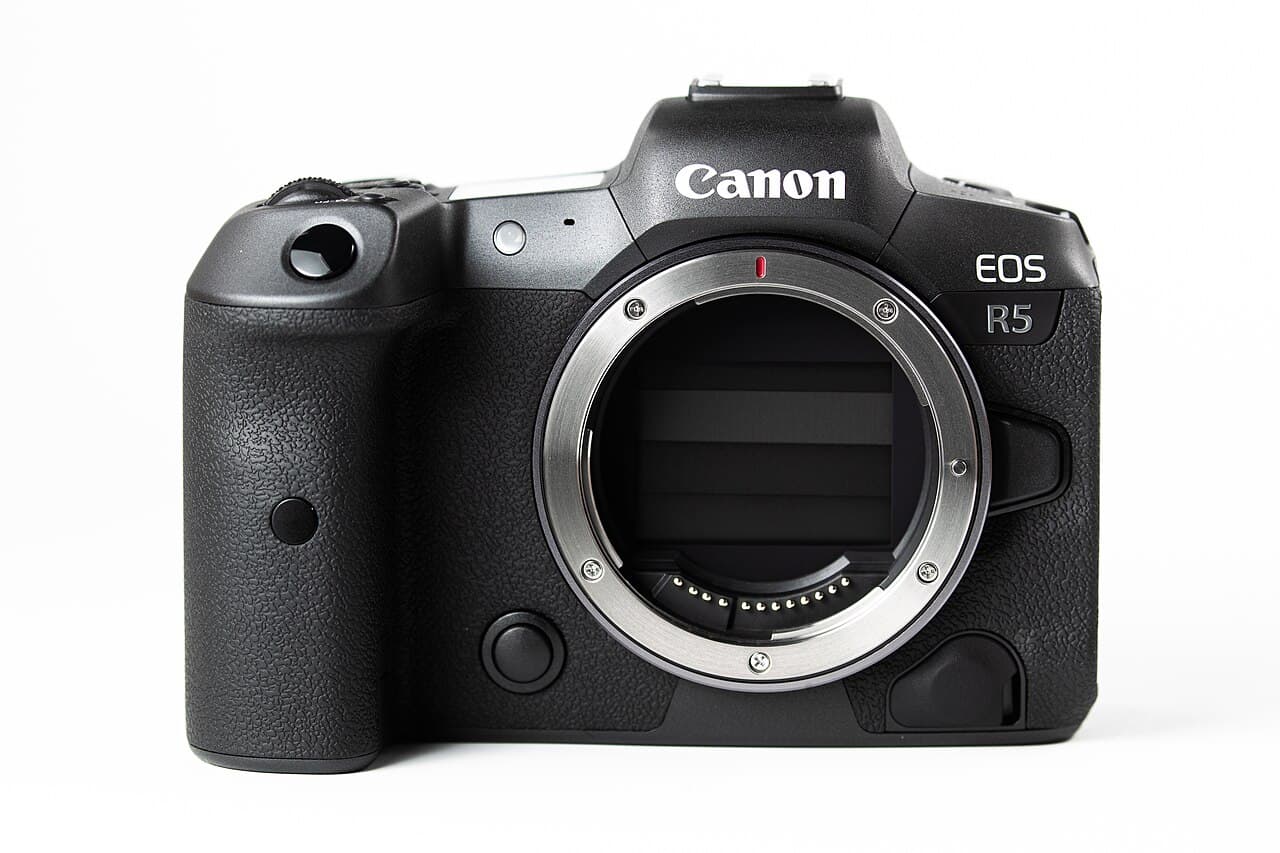
Canon EOS R5 vs R6: Which Full-Frame R Body Do You Need
Resolution, video ceiling, and the ISO advantage that actually favors the cheaper R6 — a spec-by-spec look at Canon's two July 2020 full-frame flagships.
 Comparison
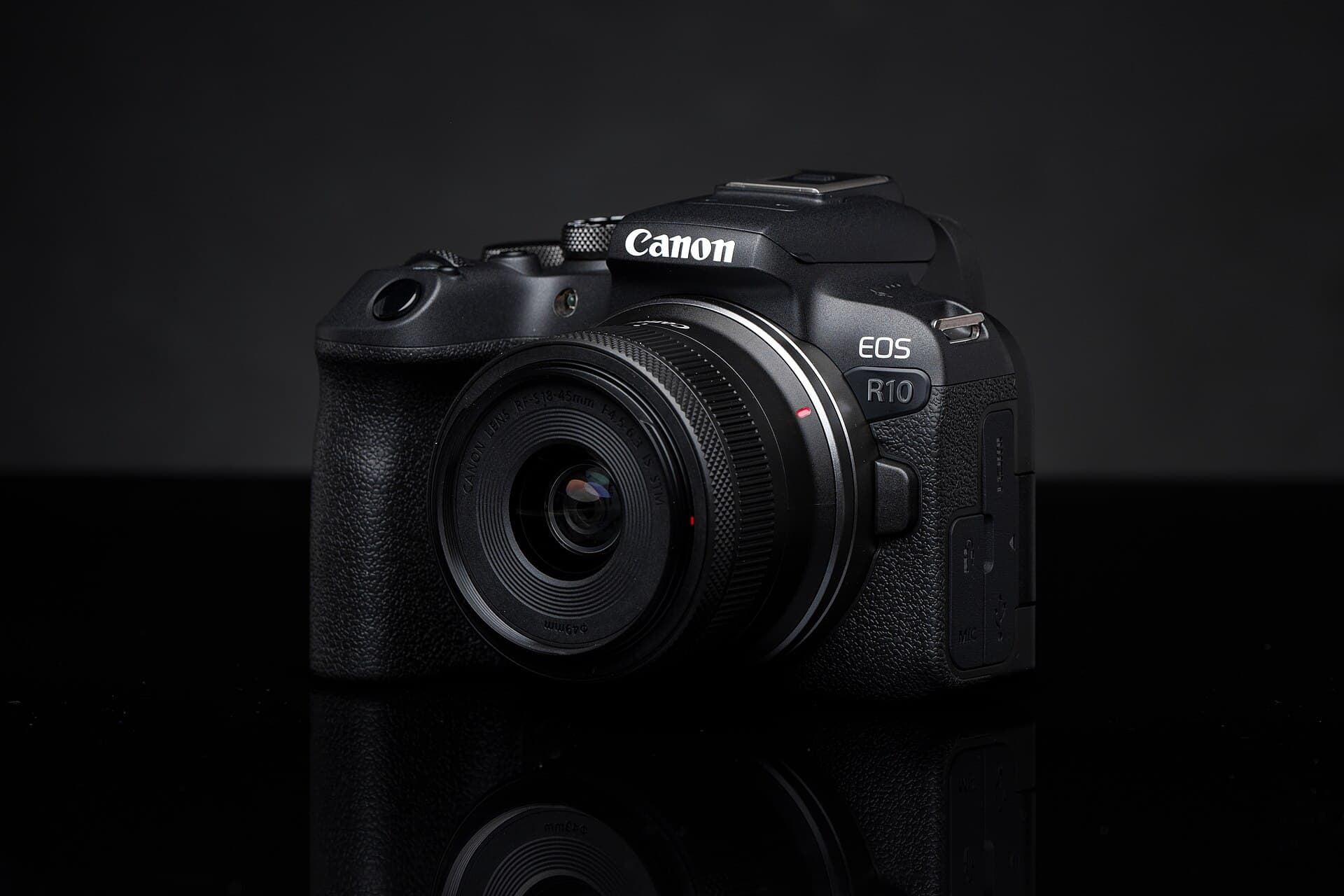
Canon R10 vs R7: Canon's APS-C Mirrorless Lineup Explained
Why the R10 and R7 aren't a generational succession, and the one spec — in-body stabilization — that matters more than everything else on this comparison.