Canon EOS 70D vs 80D vs 90D: What Actually Changed Between Generations
A generation-by-generation breakdown of what actually improved between the Canon EOS 70D, 80D, and 90D, and how to pick the right one for your budget.
These three cameras sit back-to-back in Canon's enthusiast APS-C DSLR line, and because Canon iterates rather than reinvents this series each generation, the differences between adjacent models are often smaller than the model-number jump suggests. Knowing what actually changed — rather than assuming "newer number, better camera" across the board — is the difference between paying a premium for something you'll use and paying it for a spec you won't.
The shared foundation
All three share the core formula that defines this line: an APS-C sensor, an enthusiast-grade body with a top status LCD and more external controls than Canon's entry-level Rebel/xxxD series, an optical viewfinder, and Canon's on-sensor Dual Pixel autofocus for live view and video (introduced with the 70D — this is the single biggest jump in the line's history, more significant than anything that came after it). If you're deciding between these three specifically, you've already decided Dual Pixel autofocus in live view/video matters to you, since all three have it and the 60D before them didn't.
What moved between 70D and 80D
The 80D refined rather than reinvented: an updated autofocus system with more points and better low-light sensitivity, an updated sensor with a meaningful resolution and dynamic-range improvement, and general refinements to metering and build. For someone deciding between a used 70D and a used 80D at similar prices, the 80D is the more capable camera across the board — the question is only whether the price gap is worth it for improvements that matter most in low light and fast autofocus situations.
What moved between 80D and 90D
The 90D pushed resolution notably higher and added 4K video (with a crop, and with the video autofocus caveats that implies), plus uncropped 4K at a lower frame rate and improved burst shooting. It also arrived years after the 80D, by which point Canon's attention had visibly shifted toward the EOS R mirrorless system — the 90D is, in a real sense, the last major statement in this DSLR line rather than the start of a new phase of it.
How to actually pick one
If 4K video matters to you at all, that alone points to the 90D — it's the only one of the three with it. If you never shoot video and care mainly about stills autofocus and low-light performance, the 80D closes most of the gap to the 90D for typically less money. The 70D is the value pick if Dual Pixel autofocus for live view/video is what you actually wanted and everything past that is a "nice to have" rather than a requirement — but check current used pricing carefully, since the gap between 70D and 80D prices has narrowed over time as older stock ages out of the market.
There's no universally "correct" pick here. There's a correct pick for what you shoot, and the honest answer is that the jump from 70D to 80D matters more for stills shooters than the jump from 80D to 90D does, while the reverse is true if video is part of the decision.
Products covered
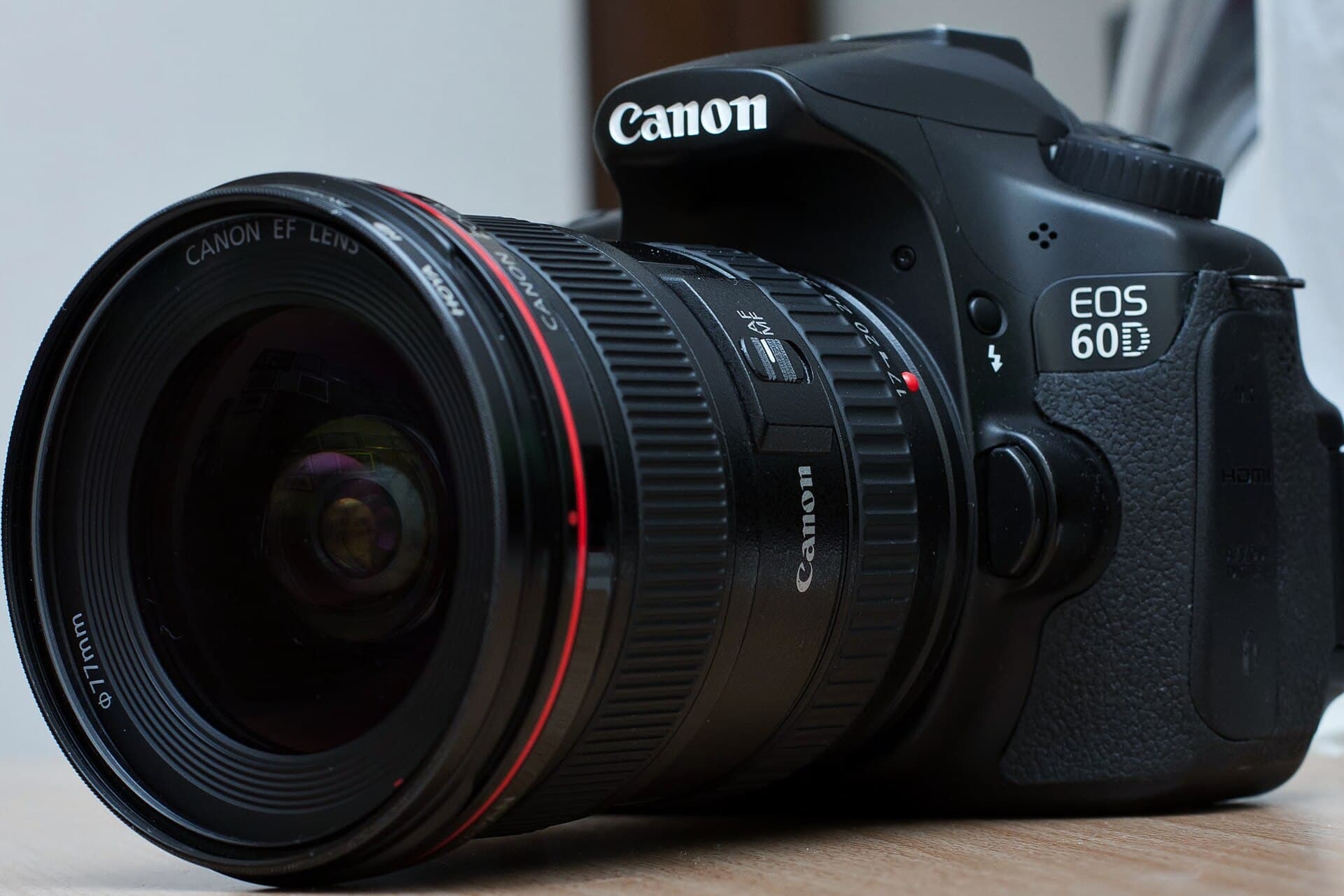
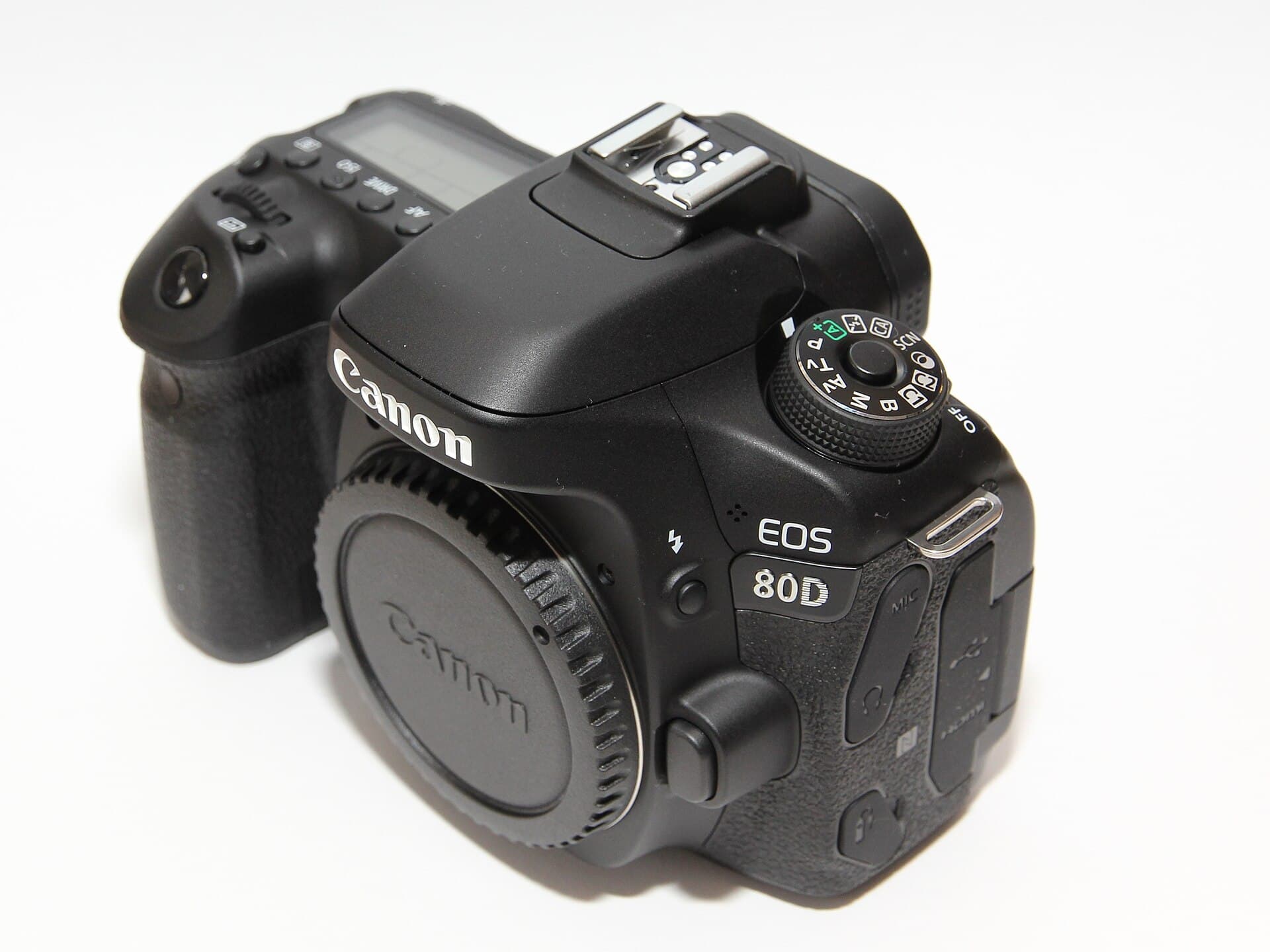
| Specification | Canon EOS 60D | Canon EOS 70D | Canon EOS 90D | Canon EOS 80D |
|---|---|---|---|---|
| Sensor format | APS-C (22.3 x 14.9 mm) | APS-C (22.5 x 15.0 mm) | aps-c | APS-C (22.3 x 14.9 mm) |
| Sensor type | CMOS | CMOS | CMOS sensor (supports Dual Pixel CMOS AF), approx. 22.3 x 14.8 mm | CMOS |
| Effective megapixels | 18.1 MP | 20.2 MP | 32.5 MP | 24.2 MP |
| Processor | DIGIC 4 | DIGIC 5+ | DIGIC 8 | DIGIC 6 |
| Lens mount | Canon EF-S | Canon EF-S | EF-S | Canon EF-S |
| Autofocus system | 9 cross-type AF points | 19 cross-type AF points, Dual Pixel CMOS AF | 45-point all cross-type phase-detection AF with dedicated AF sensor (viewfinder); Dual Pixel CMOS AF in live view | 45 cross-type AF points |
| ISO range (native) | 100-6400 | 100-12800 | 100-25600 | 100-16000 |
| ISO range (expanded) | H: 12800 | 25600 | H: 51200 | H: 25600 |
| Burst rate (mechanical shutter) | 5.3 fps | 7 fps | 10 fps | 7 fps |
| Shutter speed range | 1/8000 sec. - 30 sec. and Bulb; X-sync at 1/250 sec. | 1/8000 sec. to 30 sec.; X-sync at 1/250 sec. | 30 sec. - 1/8000 sec. (mechanical); 1/16000 sec. (electronic) | 1/8000 sec. - 30 sec., Bulb; X-sync at 1/250 sec. |
| Video resolutions/frame rates | 1080p at 24/25/30p; 720p at 50/60p; 480p at 50/60p | Full HD (1080p) | 4K UHD 30p and 1080p FHD up to 120p, no crop | 1080p at 60/50 fps |
| Electronic viewfinder | Eye-level pentaprism, 96% coverage, 0.95x magnification | Eye-level pentaprism, 98% coverage, 0.95x magnification | Optical pentaprism, 100% coverage, 0.95x magnification | Optical pentaprism, 100% coverage, 0.95x magnification |
| Rear display | Fully articulating 3.0in Clear View II colour LCD, 1,040,000 dots | 3.0in Clear View II colour TFT vari-angle touchscreen, 1,040,000 dots | 3.0in Clear View II colour TFT vari-angle touchscreen | 3.0in Clear View II colour TFT vari-angle touchscreen |
| Storage/card slots | SD/SDHC/SDXC | SD/SDHC/SDXC (UHS-I) | SD/SDHC/SDXC (UHS-II) | SD/SDHC/SDXC (UHS-I) |
| Battery model | LP-E6 (1800 mAh) | LP-E6 (1800 mAh) | LP-E6N (1800 mAh) | LP-E6N |
| Battery life (CIPA shots) | Not recorded | Not recorded | 1300 shots | 960 shots |
| Dimensions (W×H×D) | 144.5 x 105.8 x 78.6 mm | 139.0 x 104.3 x 78.5 mm | 140.8 x 104.8 x 76.8 mm | 139 x 105.2 x 78.5 mm |
| Weight (body only) | 755 g | 755 g | 701 g | 650 g |
| Connectivity | 3.5mm stereo mic jack; external shutter release port | Built-in Wi-Fi; 3.5mm stereo microphone jack | Bluetooth, Wi-Fi | Built-in NFC, Wi-Fi |
| Announcement date | 26 August 2010 | 2 July 2013 | 28 August 2019 | 18 February 2016 |
| Launch MSRP (USD, body only) | $1,099 (body only) | $1,199 (body only) | $1,199 (body only) | Not recorded |
Related comparisons
Other head-to-heads covering the same subject.
 Comparison
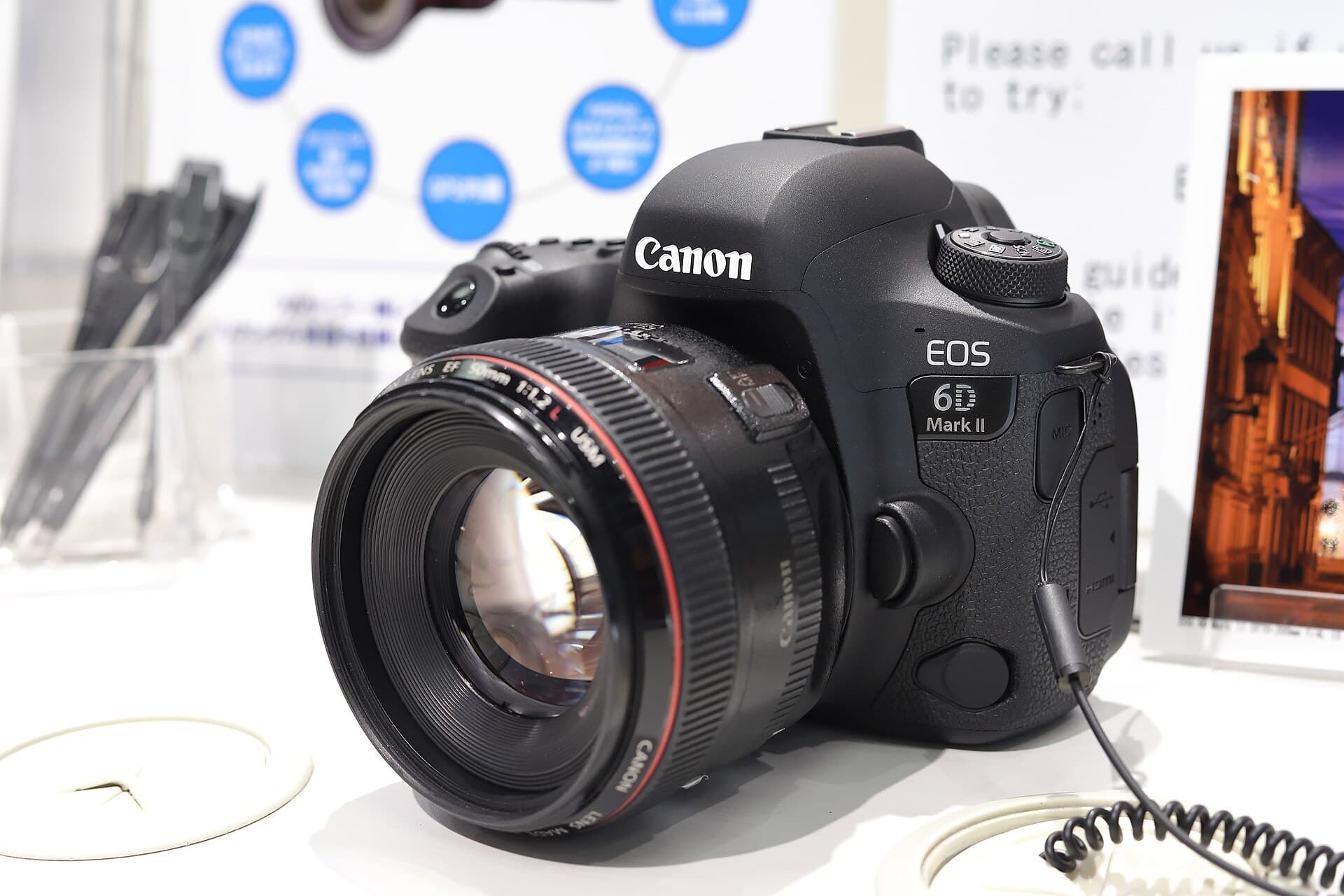
Canon 6D vs 6D Mark II: Is the Upgrade Actually Worth It
What actually changed between Canon's original entry-level full-frame DSLR and its 2017 successor — autofocus, screen, ISO — and the video limit that didn't move.
 Comparison
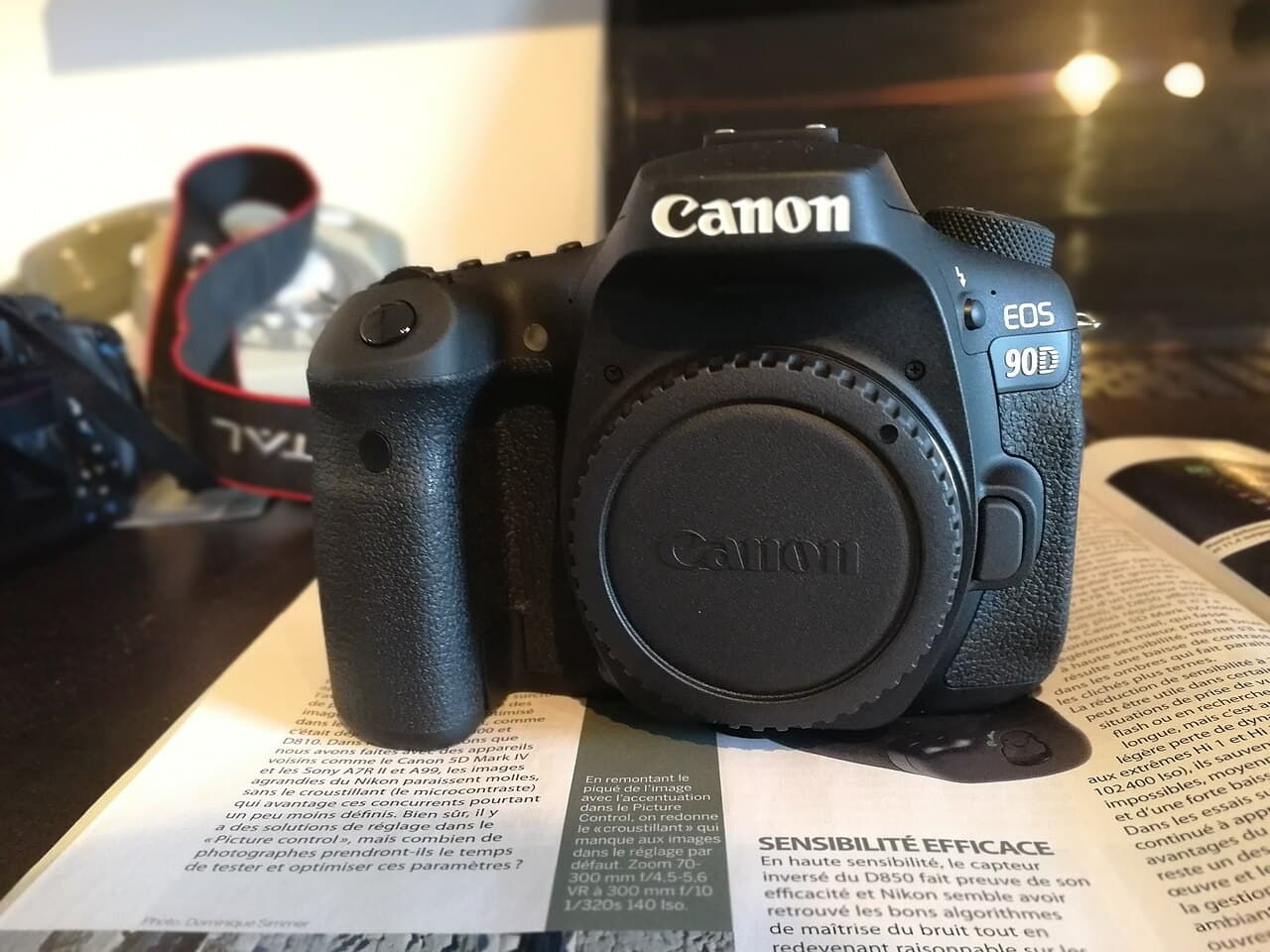
Canon 90D vs Entry Mirrorless: Which Should You Actually Buy
Canon's last major APS-C DSLR against a current entry-level APS-C mirrorless body — autofocus generation, battery life, weather sealing, and lens ecosystem compared.
 Comparison
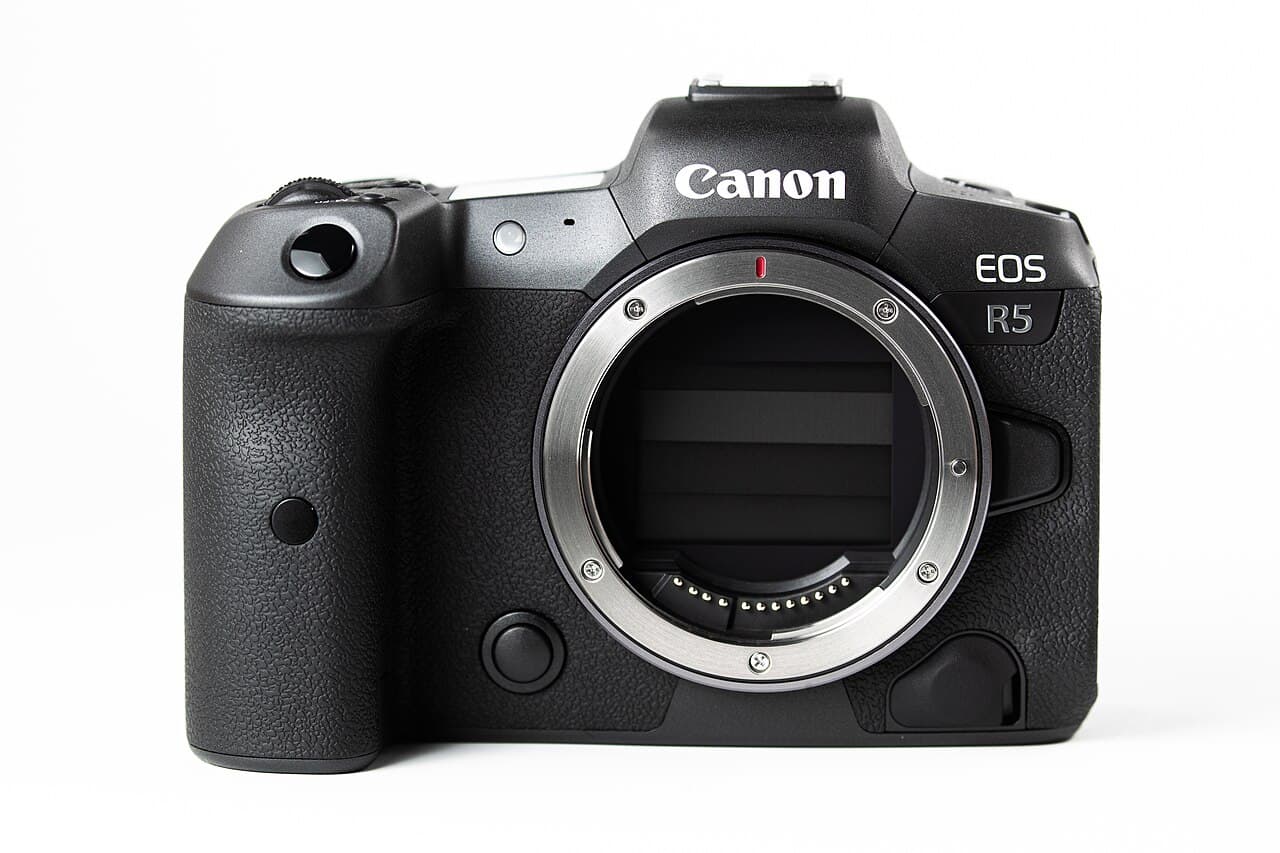
Canon EOS R5 vs R6: Which Full-Frame R Body Do You Need
Resolution, video ceiling, and the ISO advantage that actually favors the cheaper R6 — a spec-by-spec look at Canon's two July 2020 full-frame flagships.
 Comparison
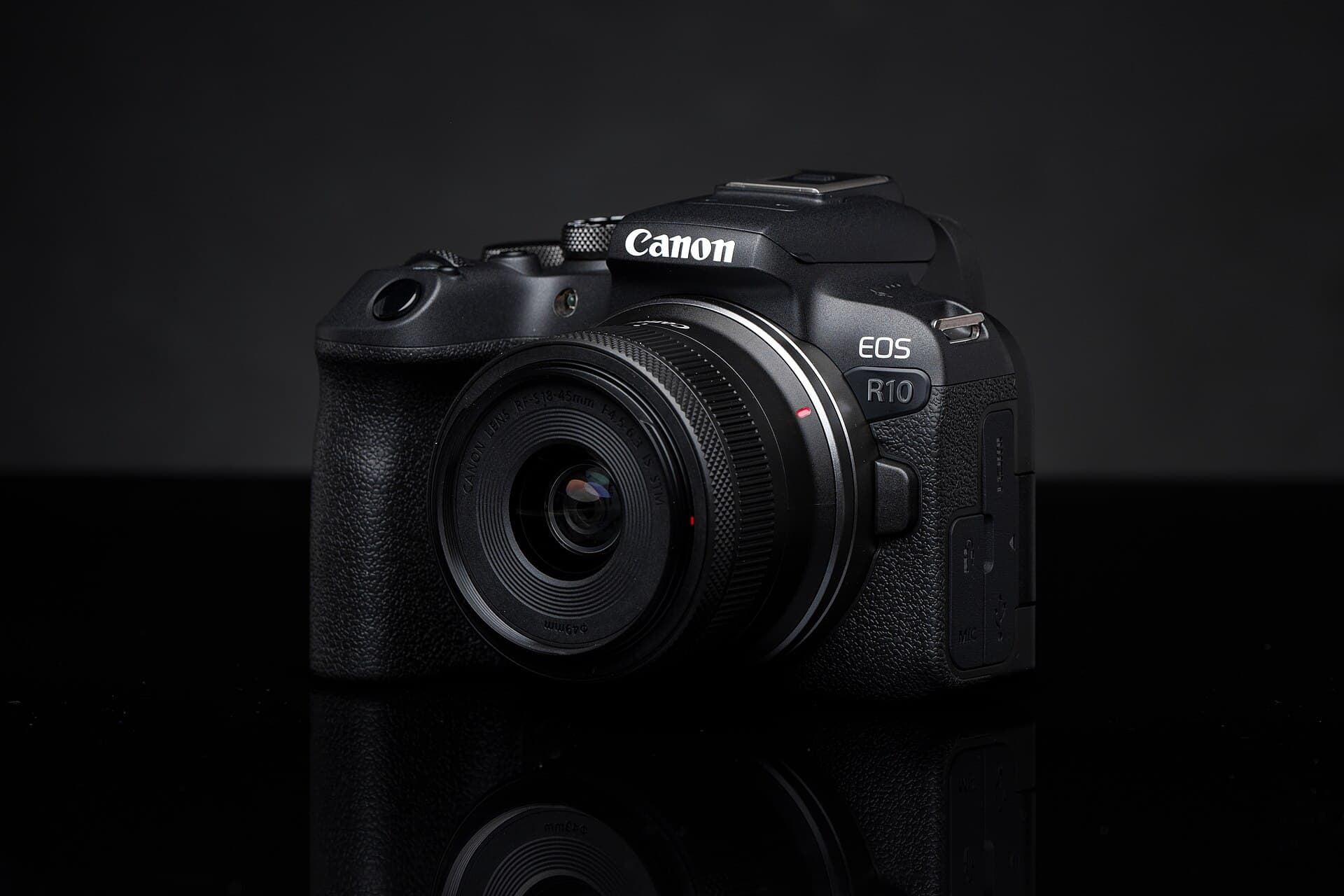
Canon R10 vs R7: Canon's APS-C Mirrorless Lineup Explained
Why the R10 and R7 aren't a generational succession, and the one spec — in-body stabilization — that matters more than everything else on this comparison.